Wednesday, February 12, 2020

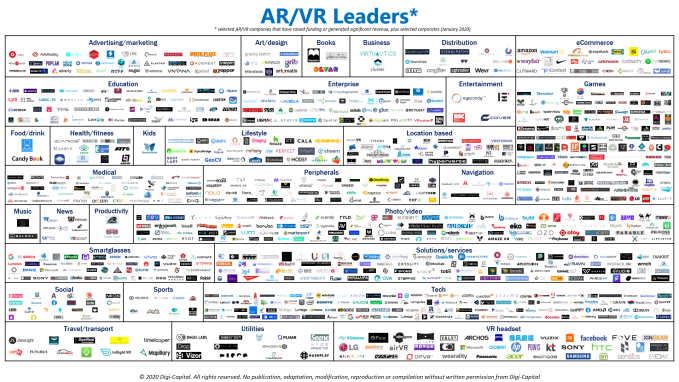
Will Apple, Facebook or Microsoft be the future of augmented reality?

Apple is seen by some as critical to the future of augmented reality, despite limited traction for ARKit so far and its absence from smartglasses (again, so far). Yet Facebook, Microsoft and others are arguably more important to where the market is today.

While there are more AR platforms than just these companies, they represent the top of the pyramid for three different types of AR roadmap. And while startup insurgents could make a huge difference, big platforms can exert disproportionate influence on the future of tech markets. Let’s see what this could mean for the future of AR.


Facebook: The messaging play

Facebook has talked about its long-term potential to launch smartglasses, but in 2020, its primary presence in the AR market is as a mobile AR platform (note: Facebook is also a VR market leader with Oculus). Although there are other ways to define them, mobile AR platforms can be thought of as three broad types:

  1. messaging-based (e.g. Facebook Messenger, Instagram, TikTok, Snapchat, Line)
  2. OS-based (e.g. Apple ARKit, Google ARCore)
  3. web-based (e.g. 8th Wall, Torch, others)


    from blogger-2 https://ift.tt/39ASxzP
    via IFTTT

Tuesday, February 11, 2020

Samsung Galaxy Z Flip hands-on: This is more like it

The buyer beware adage is never more true than among early adopters. It was price, however, that made the Galaxy Fold such a difficult pill to swallow. When it was finally released to the public after numerous delays, the device came swaddled in warnings. It was a long list, and not exactly a vote of confidence for those who just dropped $2,000 on an unproven device.

At the same time, the impulse to purchase the device was understandable. After years of teasing flexible displays, Samsung was finally ready to show us what life could be like after a decade worth of flat smartphones.

Announced almost exactly a year after the Fold, the Galaxy Z Flip presents a refined look at the category. Having only spent a little time with the product this afternoon after the unveiling, I’m not quite ready to declare that this is the phone the Fold should have been, but it certainly feels like a key step in the right direction.

Samsung Galaxy Z Flip

Top level, here’s what’s better:

  • The price (if only just)
  • The form factor
  • The durability

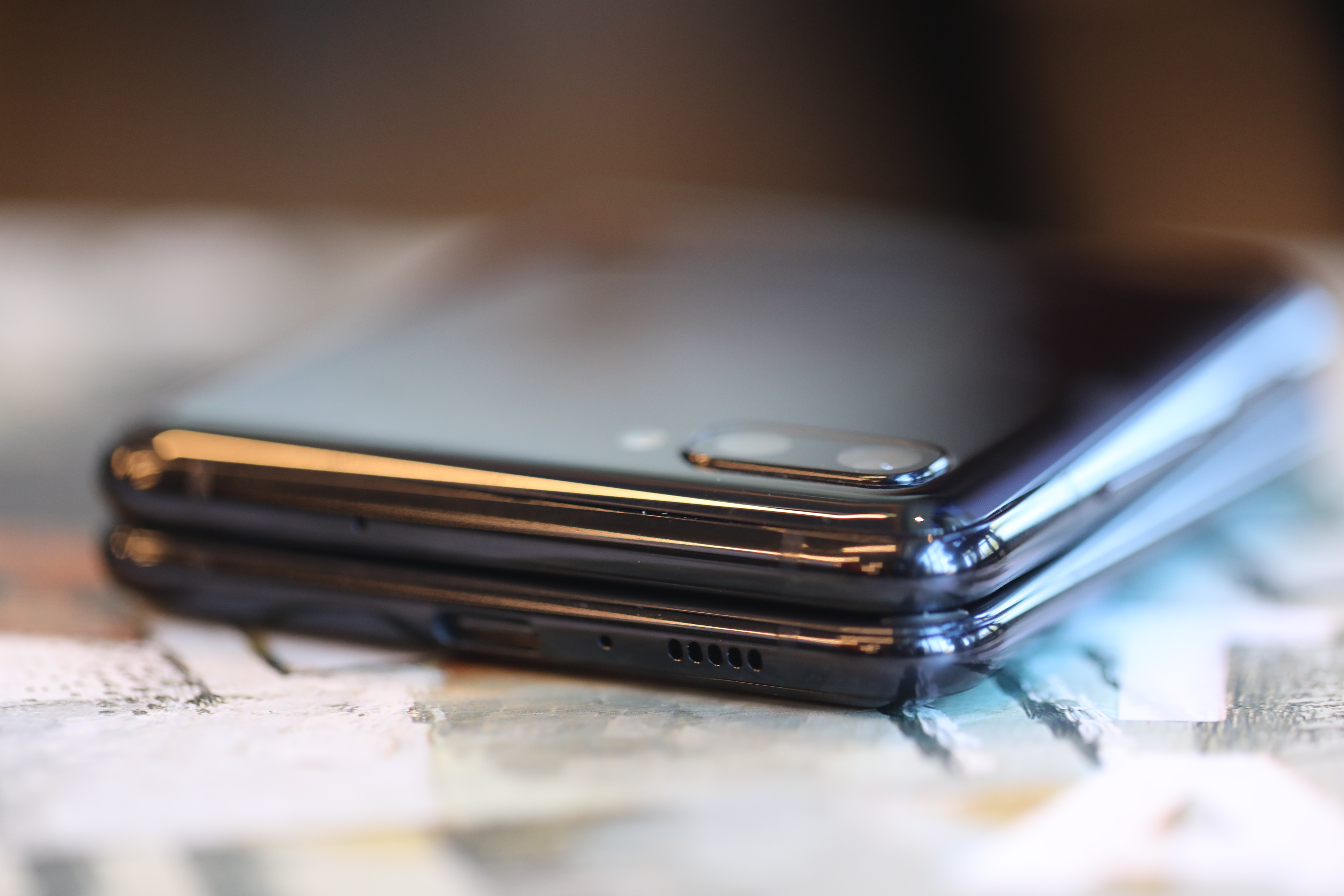
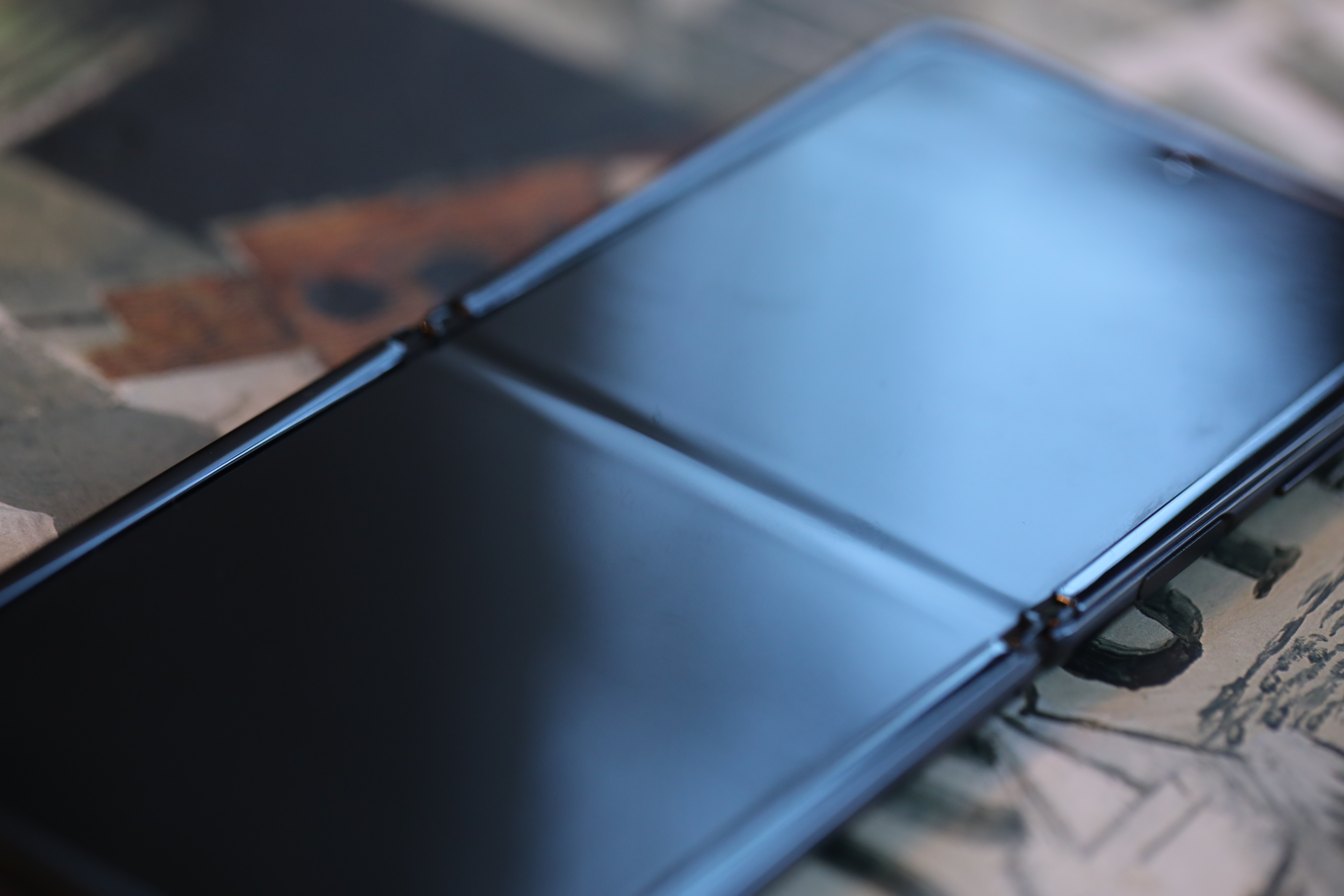
Last point first. In some ways, the Z Flip finds Samsung atoning for its sins. The display is, get this, covered in glass. The company is vague about the specifics, but everything about the Flip feels more solid than its predecessor, right down to the folding mechanism. It’s sturdy — in fact, you can have the device open at a number of different angles to prop it up. Closing it requires more force than the Fold, and that’s a good thing.

Samsung Galaxy Z Flip

Also, it doesn’t, you know, creak when you close it. There is, however, still a pronounced crease.

The 6.7-inch display puts its toward the larger end of the spectrum among smartphones, but it fits extremely comfortably in the pocket when closed. If you’ve ever used a clamshell phone before (which is to say if you’re over the age of 30), you get the appeal on that front. The Fold’s long form factor was still pretty large when closed.

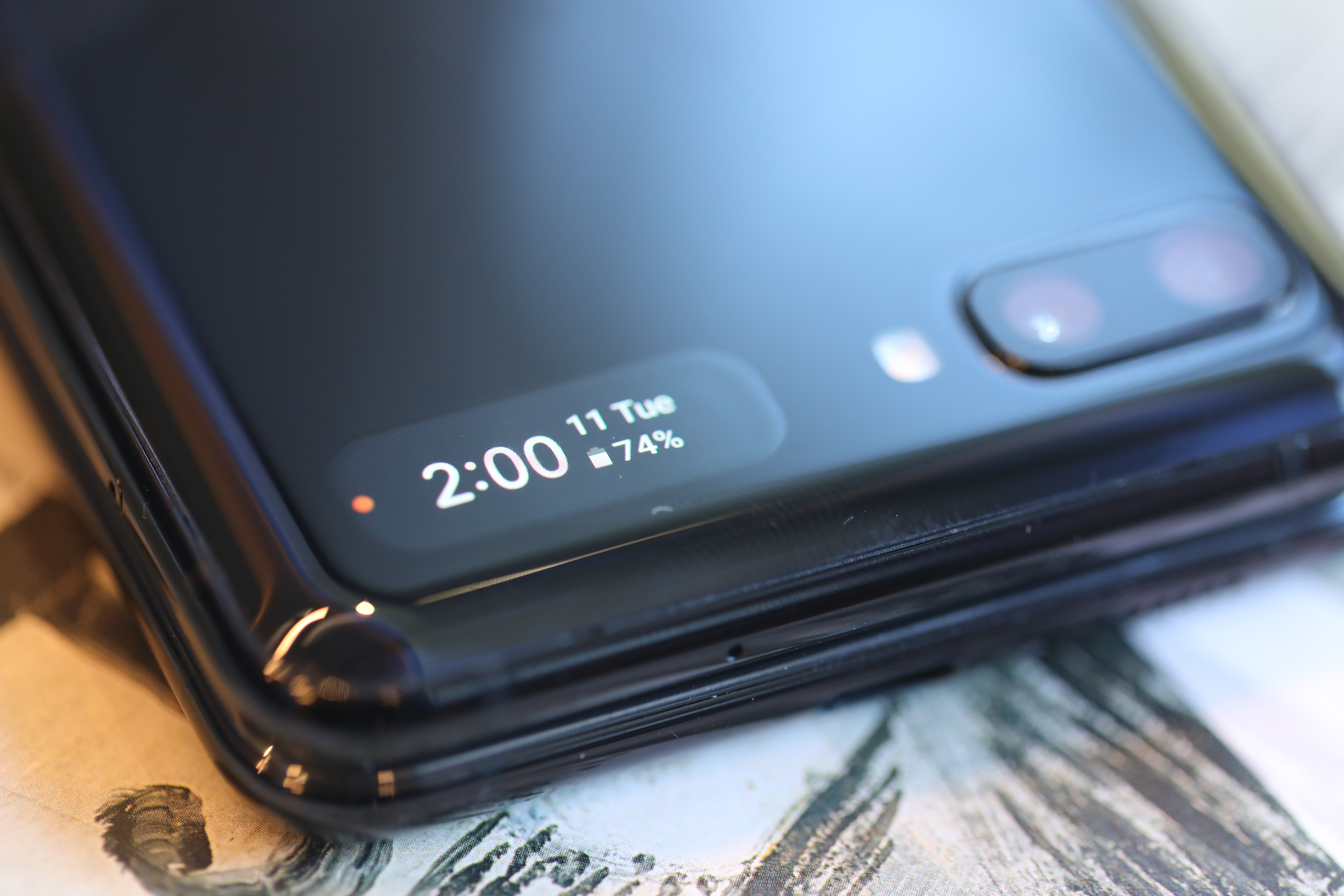
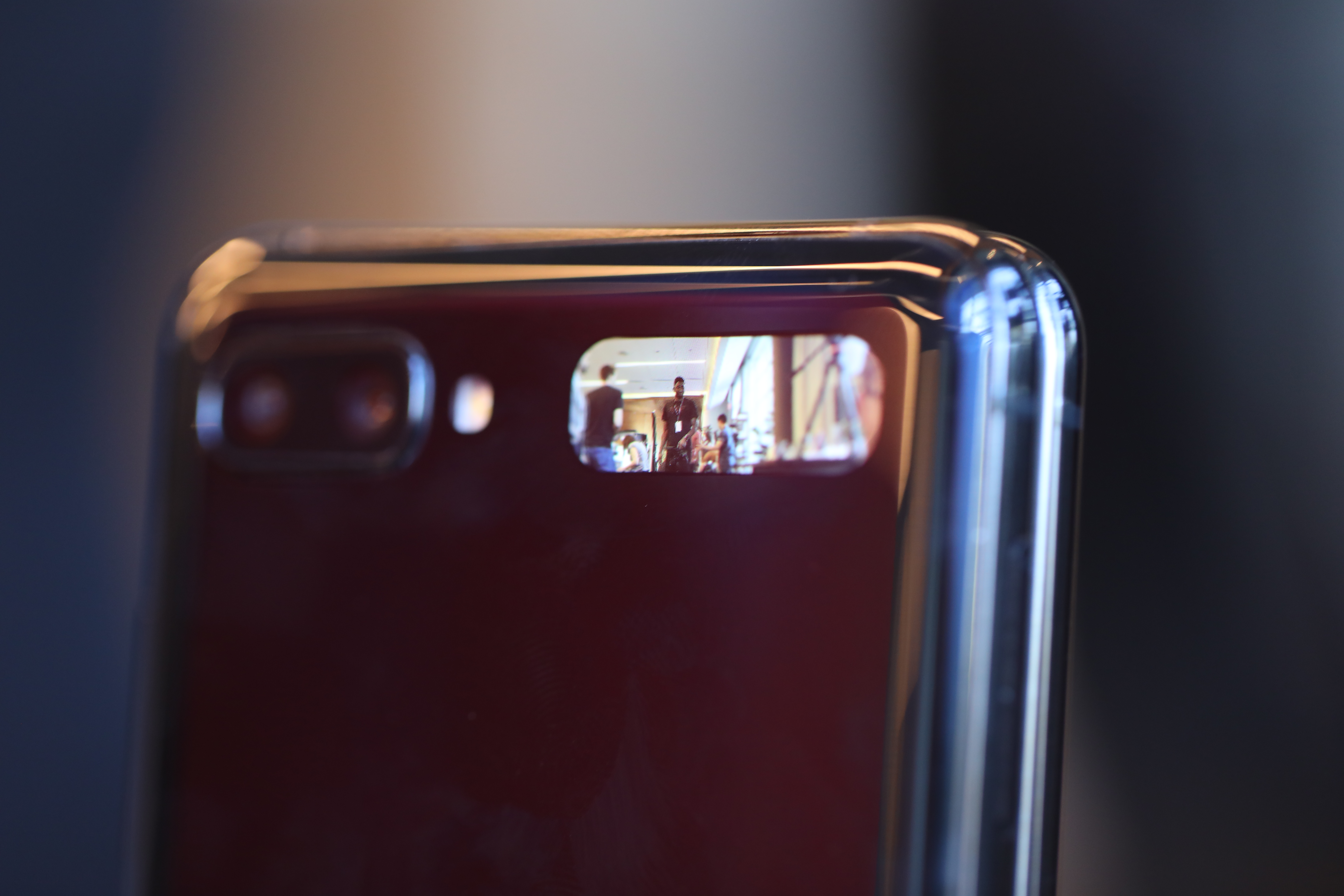
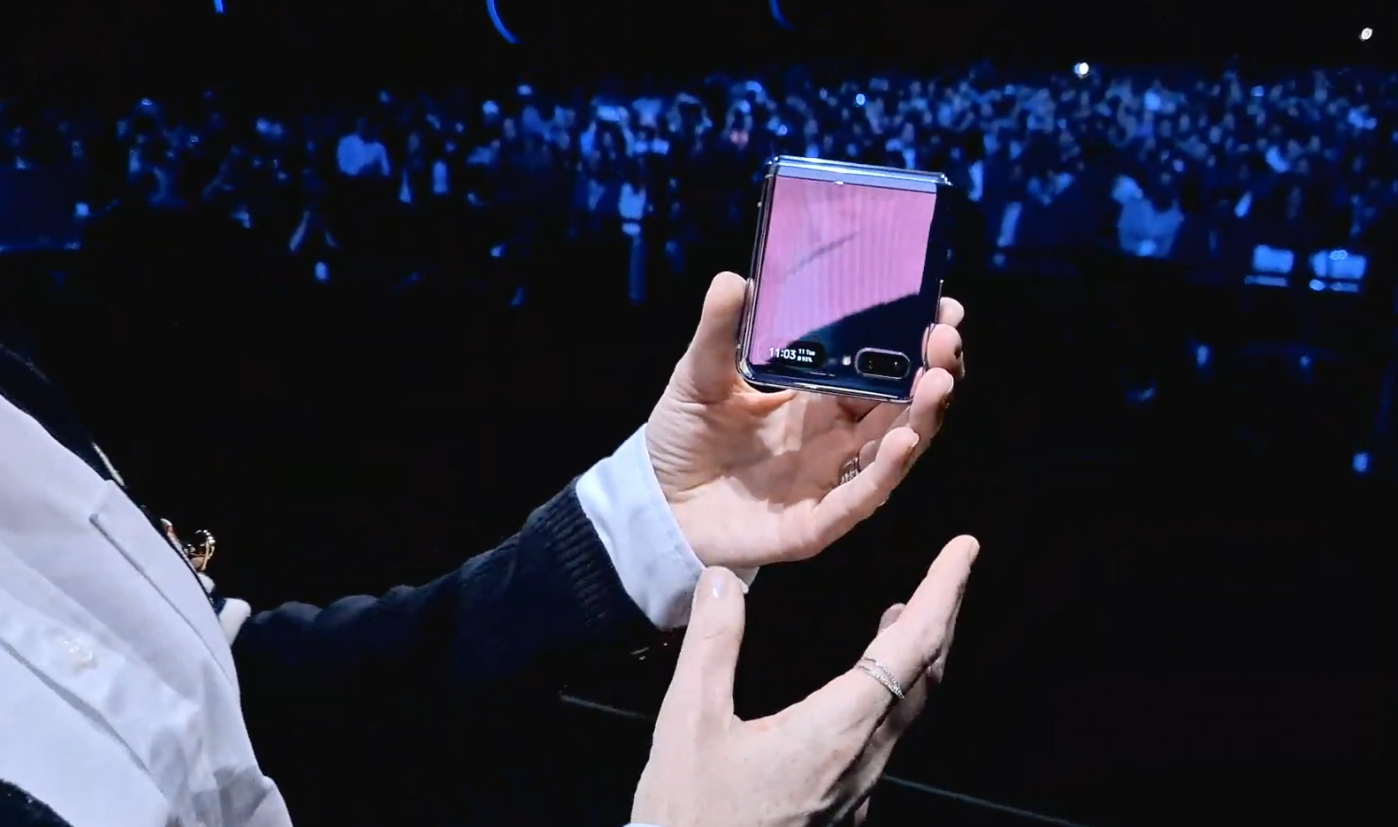
What you lose here, however, is a fair amount of functionality when closed. The Flip’s screen is small and not super-duper useful, but it’s there when needed. Instead of a full display, the Flip features a little window in the bottom corner. This is almost exclusively good for things like time and battery life. You can swim through to other things, but beyond that, it’s a stretch.

Samsung Galaxy Z Flip

Double-tap the fingerprint sensing power button and it will turn into a display for selfies. It’s a bad selfie screen. It gives you an idea of whether you’re framing the image well, but that’s where the usefulness stops.

At $1,380, it’s priced slightly below the $1,499 Razr. If I was Motorola right now, I would be talking price cuts to stay competitive. The Razr nostalgia will only get you so far, and Samsung’s full generation lead here is showing itself in the form of a more robust device.

[gallery ids="1945156,1945155,1945154,1945153,1945152,1945151,1945150,1945149,1945148,1945147,1945146,1945145,1945143,1945142,1945141,1945140,1945139,1945137,1945136,1945135"]

Part of the (again relative) price drop is — not exactly corner cutting, but definitely a downgrade from the crazy high-end specs on the Galaxy S20 Ultra. Most notable is the complete lack of 5G option, which is an odd choice for what’s designed to be a forward-thinking device from a company that has otherwise gone all in on 5G with its flagships. More than anything, you get the sense that Samsung was trying to differentiate the product from the Fold with a lower price.

Samsung Galaxy Z Flip

I’m still a long ways away from actually recommending the purchase of a foldable for the vast majority of consumers, but the Flip feels like a strong step toward helping mainstream the form factor. Who knows? A generation or two from now, maybe we’ll get there.

No delays this time out. The Flip goes on sale February 14. Happy flippin’ Valentine’s Day.


from blogger-2 https://ift.tt/2Hh5R00
via IFTTT

Samsung’s very good Galaxy Buds get much better battery life

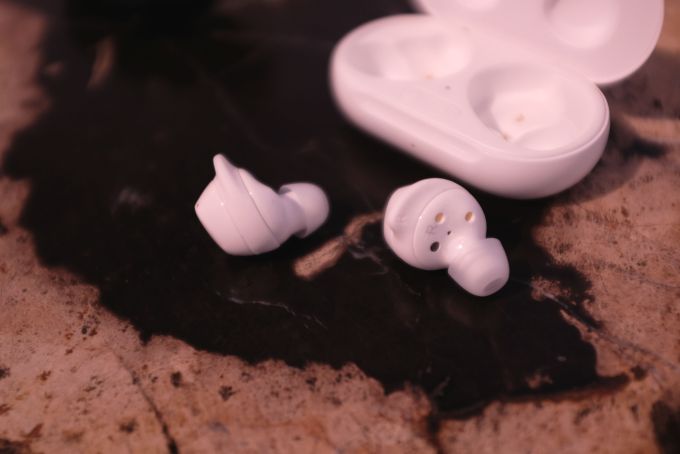
Samsung’s Galaxy Buds have been one of the low-key success stories of the current Bluetooth earbud revolution. They don’t have the flash of an AirPod, but they get the mix of form and function just right. Fittingly, their successors just got a quick unveil alongside Samsung’s latest handsets.

As the name implies, Galaxy Buds+ aren’t a full-on replacement for the earbuds — they’re more like an enhancement. The fully wireless earbuds look a lot like the originals — which is totally fine. The biggest difference, however, is an important one. Whereas the original buds (the O.B.s) sported 13 hours of battery life, the new versions offer nearly a full straight day (11 hours in the buds, 11 in the case).

That should get you through even the longest flight.

The sound quality gets a solid boost, as well, moving from a single dynamic driver to a dual system, coupled with three mics to help cancel out noise during calls. There’s no active noise cancellation on board, however, which means the buds aren’t really positioned to compete with the likes of AirPods Pro or Sony’s latest fancy headphones. But, then, they’re also priced significantly less.

At $149, they’re $20 more than the standard Galaxy Buds. Probably a small price to pay, given the upgrades here. I wouldn’t be entirely surprised to see Samsung deliver something more competitive on the Pro side, when the Galaxy Note rolls out later this year, but that’s pure speculation.

Meantime, the Galaxy Buds+ look to be one of the best deals in the space.


from blogger-2 https://ift.tt/2tOqjCd
via IFTTT

Samsung’s flagships get a new level of premium, starting at $1,400

Flagship prices that routinely top out well above $1,000 are among the chief factors in slowing smartphone adoption. Certainly Samsung has done something to address the phenomenon, both with a number of mid-tier products and the recent introduction of Lite versions of the Galaxy S10 and Note 10.

At the other end of the spectrum is the brand new Galaxy S20 Ultra. Having already broken the seal on a $2,000 handset with last year’s Galaxy Fold, the company just announced the somewhat more reasonable $1,400 Ultra. The most premium of the thee-tier devices sports a massive 6.9-inch display to the others’ 6.7 (S20+) and 6.2 (S20).

The camera is the other place the Ultra really sets itself apart from the others. All devices feature enhanced “Space Zoom,” but the premium product bumps the 30x up to a massive 100x, through a hybrid of optical and digital zoom, with a folded lens beneath the large camera bump on the rear.

Like the S20+, there’s a four-camera system on the rear (the standard S20 just has three). There are some differences in sensors in the group, including, most notably, the S20+ wide angle, which is bumped up to a massive 108 megapixels.

The Ultra is also the first device to include nona binning, which knocks the normally excessive 108-megapixel camera down to 12 megapixels, while retaining the large amounts of light let in by the sensors for improved photos.

Also of note is the downright giant battery. The Ultra’s is 5,000 mAh to the the S20+’s 4,500 mAh.


from blogger-2 https://ift.tt/39vCQd7
via IFTTT

Here’s everything Samsung just announced at Unpacked 2020

At least once a year, Samsung pulls hundreds of reporters, analysts, and industry folk into one big room for an event it calls “Samsung Unpacked”, where the company shows off all of their latest flagship devices. The first Unpacked of 2020 was held this morning in San Francisco — and from $1,400 folding smartphones to handsets with cameras packing 100x zoom, it was a doozy.

Don’t have time to watch the one-hour livestream yourself or read through a bunch of different articles to catch up? Here’s the most important bits:

Galaxy Z Flip

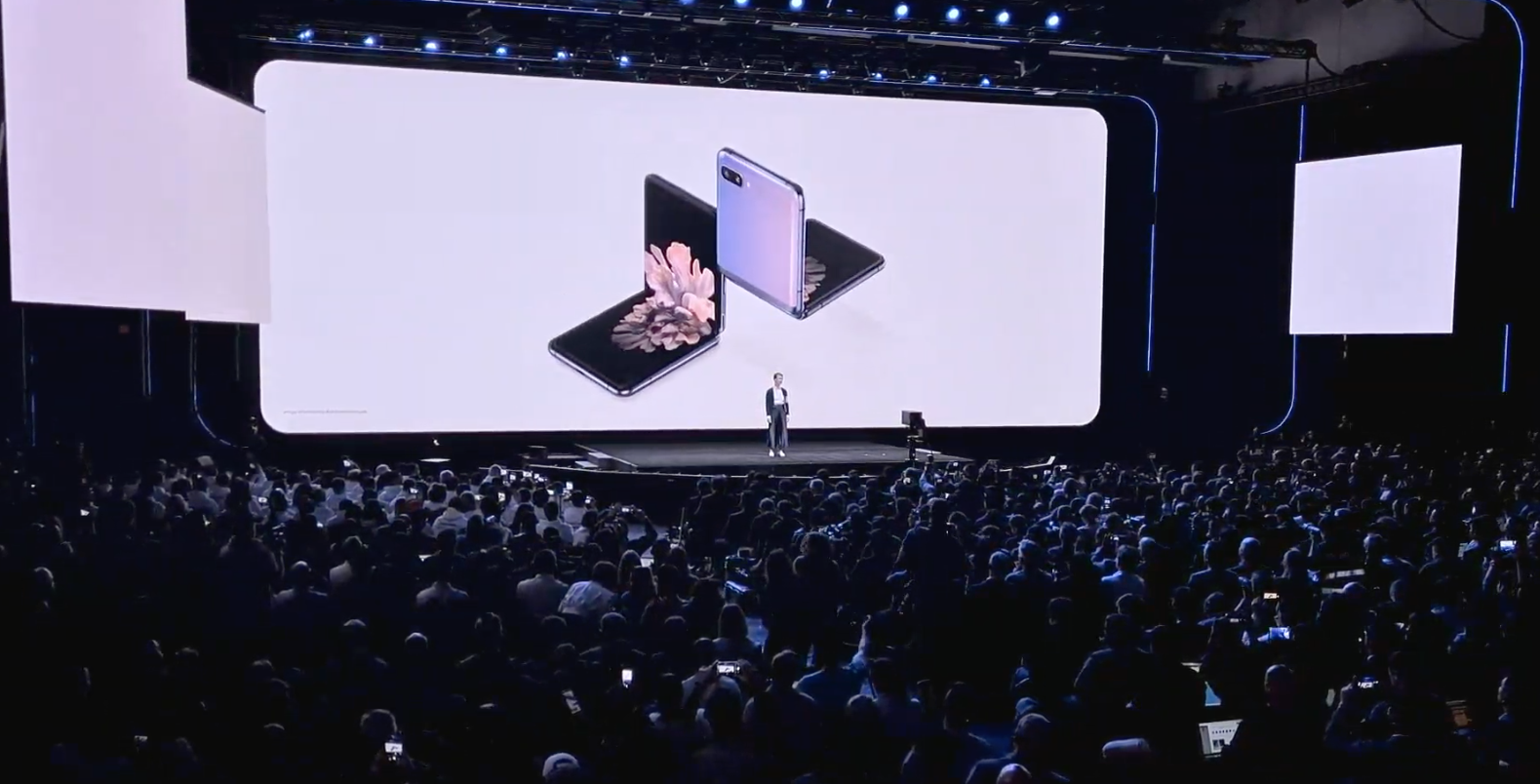
And there it is! After a handful of leaks — and an entire friggin’ commercial that aired during the Oscars over the weekend — Samsung’s flip phone-style folding smartphone is officially official. Called the Galaxy Z Flip, it should start shipping by February 14th for the somewhat eye-popping base price of $1,380

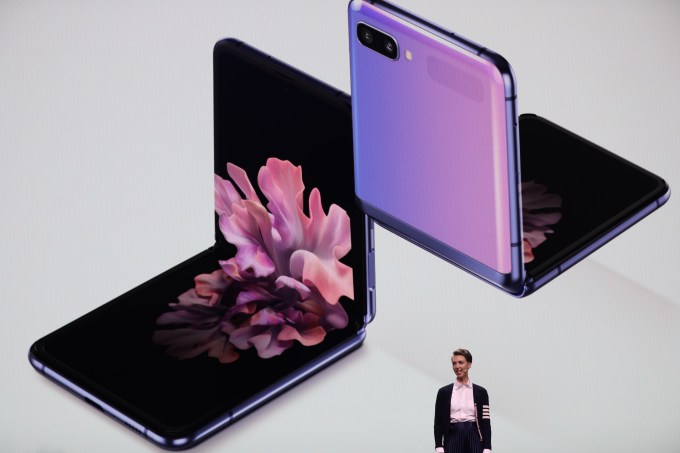
Unfolded, the screen comes in at 6.7 inches. Folded, a small exterior display allows for some lightweight functionality— things like notifications, battery life indicators, and quick selfies. There’s also a sort of halfway unfolded, laptop-style mode (pictured above) that Samsung calls “Flex mode”, which they pitch as being particularly good for hands-free video calls.

Samsung’s earlier prototypes of a folding phone saw issues with dust and debris getting into the hinge and damaging the screen from behind; Samsung says it addressed this with a layer of fibers inside the hinge meant to keep stuff out.


Galaxy S20

2018 brought the Galaxy S9. 2019 brought the Galaxy S10. In 2020, Samsung is skipping a few numbers, rocketing the naming scheme right up to Galaxy S20.

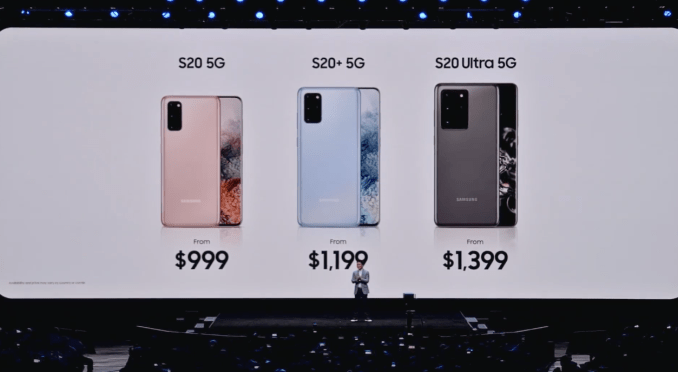
It’ll come in three variants: the S20, S20+, and S20 Ultra — starting at $999, $1,199, and $1,399 respectively. Three phones, three display sizes: S20 comes in at 6.2″, S20+ at 6.7″, and S20 Ultra at 6.9″. All three displays run at 120hz, though you’ll have to drop the native Quad HD+ resolution down to 1080p for that. All three models support 5G.

Like many smartphones launched recently, Samsung’s main focus here is the camera — and the specs here, at least on paper, are pretty mind-blowing. The S20 and S20+ will support up to 30x “Space zoom”; the S20 Ultra bumps it up to 100x. All three phones will also shoot 8k video. A feature Samsung calls “Single Take” allows you to take one short video and get multiple options to choose from in return — boomerangs, looping clips, AI-enhanced photos, etc.

As a fun surprise, Samsung revealed midway through Unpacked that the livestream itself was being shot and streamed from S20s:


Samsung says pre-orders should start by February 21st, with the devices hitting the shelves on March 6th.

Galaxy Buds+

Samsung Galaxy Buds

Samsung’s answer to Apple’s AirPods are getting an upgrade. While the Galaxy Buds+ look pretty much identical to the original Buds, the (already quite solid) sound quality should be improved across the board; they’re shifting from a single driver system to a dual driver system, and bumping the number of microphones up from two to three.

Samsung says that the Buds+ should be able to run for up to 11 hours on a full charge, with the companion charging case providing another 11 hours of charge in a pinch. If you’ve got a compatible Galaxy phone, meanwhile, it’ll be able to charge the Buds+ wirelessly through the “PowerShare” feature the company debuted last year; hold the Buds+ case against the phone for just 3-4 minutes, says Samsung, and it’ll give them a full hour of juice.

The Buds+ are expected to ship on February 14th for $149.


from blogger-2 https://ift.tt/2UKzq22
via IFTTT

Samsung gives foldables another go with the Galaxy Z Flip

Samsung did a surprisingly good job keeping the Galaxy Fold under wraps, surprising the world with its first foldable this time last year during the Galaxy S10 unveil. When it came to the Galaxy Z Flip, on the other hand, the company just went ahead and showed the whole thing off during an Oscar ad buy. (Not to mention numerous Samsung employees playing around with the handsets in their seats this morning, ahead of unveil). Crazy world, these mobile phones.

Of course, that’s not to say we haven’t know about the Flip for a while now. Samsung teased out the Moto Razr-style form factor before it even officially announced the Fold. Samsung wanted to make it perfectly clear that the foldable wasn’t just a one and done situation for the company.

The company kicked today’s event off by unveiling the new foldable, which it claims is “like nothing you’ve ever seen before.” Which, well, isn’t exactly true.

Certainly the Z Flip form factor seems a more logical one, harkening back to pre-smartphone days of clamshell devices. Of course, the Razr has been running into its own issues after its recent release. Between that and — even more notable — the Fold’s myriad problems, the Z Flip will no doubt been under as much scrutiny as any handset in recent memory.

When opened, the screen is 6.7 inches, with a hole punch camera up top. When closed, there isn’t much of a display, beyond a quick bar that offers time, notifications and battery life. Users can also snap selfies with the case closed. The clam shell comes in three colors: black, purple and gold.

One assumes that Samsung learned plenty of lessons the original Fold, after having to go back to the drawing board when multiple reviewers wound up with broken units. Samsung claims the device can handle 200,000 flips, courtesy of foldable glass — which should give it some extra durability.
Samsung claims the device can handle 200,000 flips, courtesy of foldable glass — which should give it some extra durability. In an offhanded reference to earlier issues, the company noted that the hinge is designed to keep debris out, one of the major downfalls of the first gen Fold, which allowed dust and particles behind the screen, damaging it when users pressed down. The new phone has a kind of brush system inside to keep stuff out.

Obviously we can’t quite speak to durability just yet (though I, for one, am excited to get my hands on the thing), but at $1,380, it’s priced — well, it’s less expensive than the $2,000 Galaxy Fold, at least. That puts it more in line with the new Razr, not to mention, Samsung’s just now introduced Galaxy S20 Ultra.

The Flip will be available on Valentine’s Day.

A Thom Browne Edition, meanwhile, will bring the iconic designer’s touch to the device, which will be highlighted in more detail at a special event tomorrow in New York as part of Fashion Week. 


from blogger-2 https://ift.tt/37jYyzh
via IFTTT

Samsung skips nine numbers, announces the Galaxy S20

The world will likely never see the Galaxy S11. Or the Galaxies S12-S19, for that matter. At an event this morning in San Francisco, Samsung announced that it was skipping a decade’s worth of handsets and going straight to the Galaxy S20.

The new flagship debuted onstage today, in three flavors: the S20, S20+ and S20 Ultra, a sign of the company’s ever-shifting approach to the market. Samsung clearly has no plan to back away from the premium market, even as smartphone sales flag. With starting prices of $999, $1,199 and $1,399, respectively, the company’s making a big bet that consumers are still willing to pay top dollar for premium specs.

Paying top dollar means, among other things, 5G for all-comers. All three devices will be 5G-enabled, a year after Samsung introduced its first device with the next-gen technology. It’s 2020, and Samsung is all-in on 5G — on its flagships, at least. The S10/Note 10 and their Lite versions are continuing to stick around at a lower price, maintaining a broad range of devices currently on the market for the company. 
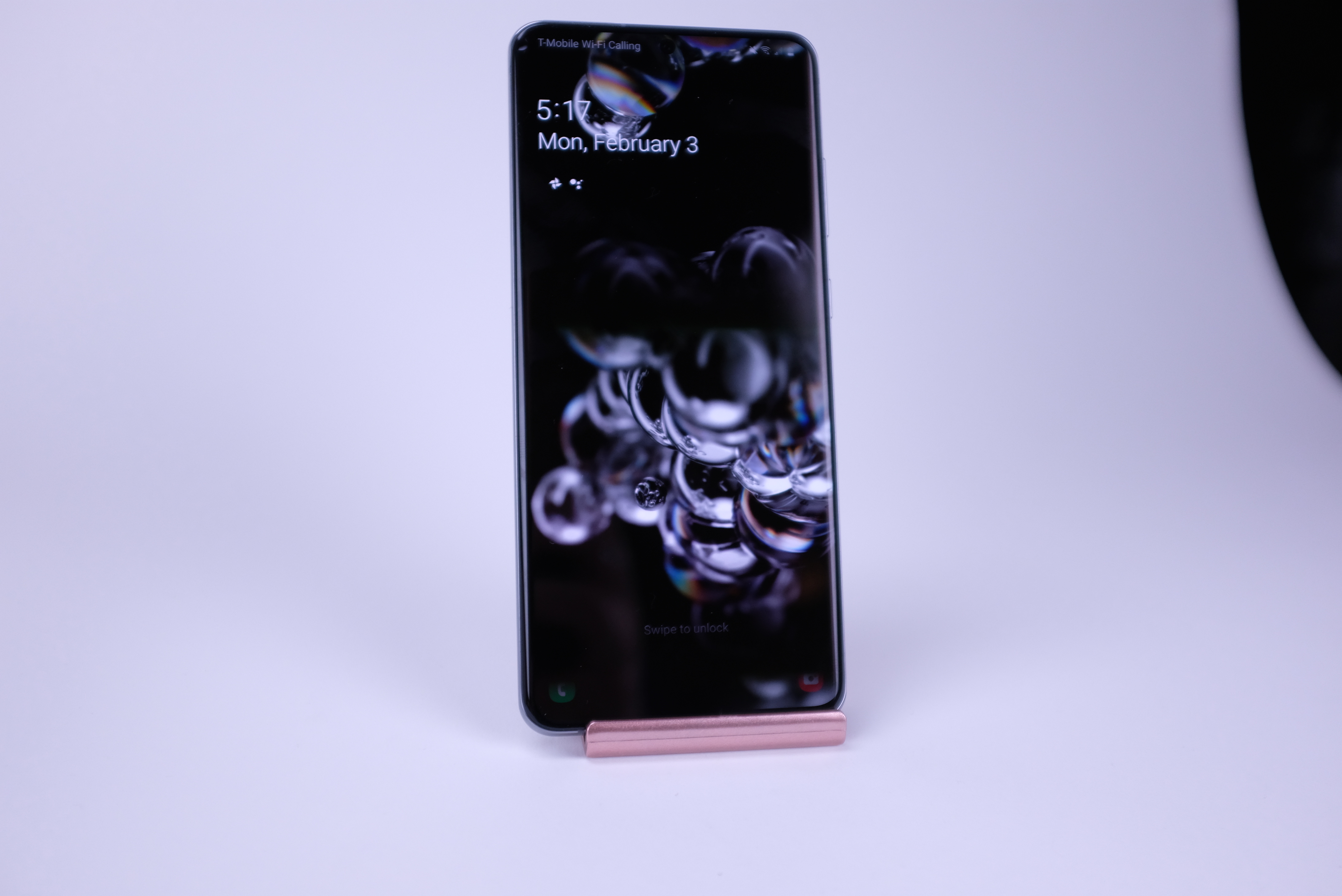
Samsung Galaxy S20

Another big new feature here is the addition of a 120hz refresh rate and improved touch response. In all cases, you’ve got a hole punch “Infinity O” camera up top. Once again, however, the biggest news is coming on the imaging side. The company’s using the phrase “pro grade” to describe the camera across the board.

All three models feature pretty massive camera modules, but the Ultra’s is next-level. Both the S20+ and Ultra feature the prominent Space Zoom camera (with a three-camera system, to the S20’s two). On the Ultra, the 48-megapixel folded lens is a hybrid of optical and digital zoom that offers a combined 100x. There’s some degradation of the image, naturally, but it’s still pretty impressive what the handset is capable of. This could be a game changer for amateur smartphone photographers.

Other camera improvements include 8K video recording at 24FPS, implode super-steady zoom and the addition of night time hyper-lapse shooting. On the camera software side, there’s the new Single Take mode, which saves a whole bunch of versions of a shot, including live focus and wide angle — basically all of the different shots at once, so you can go in and choose the best. The combined photos take up between 50 and 70MB a piece and you have to go in and manually delete the ones you don’t want, so probably don’t use that for every shot.
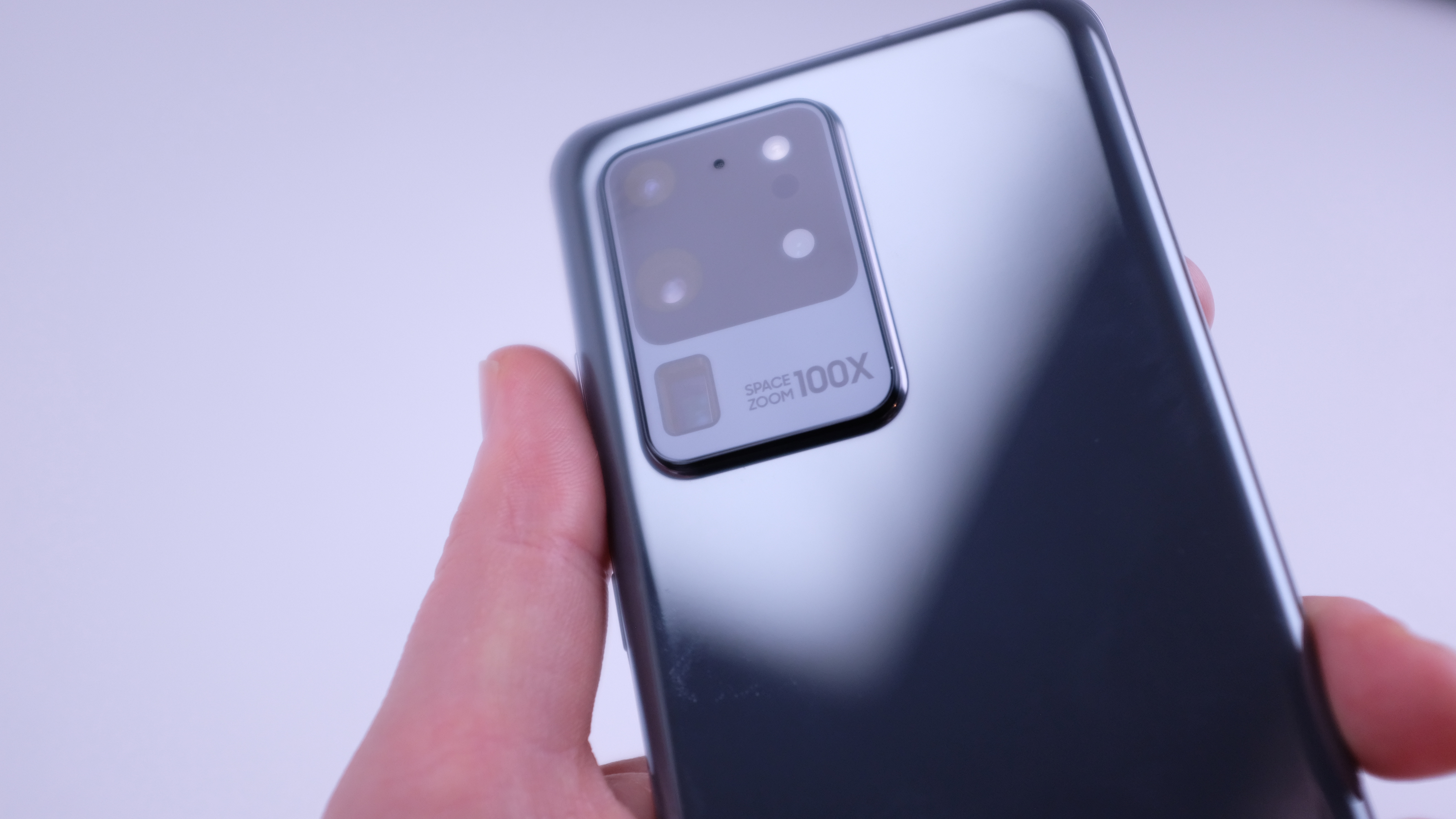
Samsung Galaxy S20

Nona binning is another one of the Ultra’s special photography surprises. Like the ridiculous Space Zoom, the technology could prove a game changer for amateur photographers looking to step up their game. The technology (which slipped out recently as a patent filing) reduces the mostly excessive 108-megapixel sensor down to 12 megapixels, utilizing the tremendous amount of light the sensor lets in.

Bixby is still hanging around. The smart assistant is still present as one of the side buttons, though, as with the recent Note, it’s easily mapped to different technologies. The tech did, however, make an appearance courtesy of a partnership with Spotify, which brings the popular music streaming platform for Bixby Routines. That essentially means that playlists are integrated into different modes, like wake-up and working out.

More interesting on the music side is a clever little feature called Music Share. With it, users with compatible Galaxy devices can piggyback on your Bluetooth connection and play songs on a connected stereo. The idea is to create a kind of collaborative playlist. The applications are admittedly extremely limited (especially when coupled with limited device compatibility), but it’s fun nonetheless.
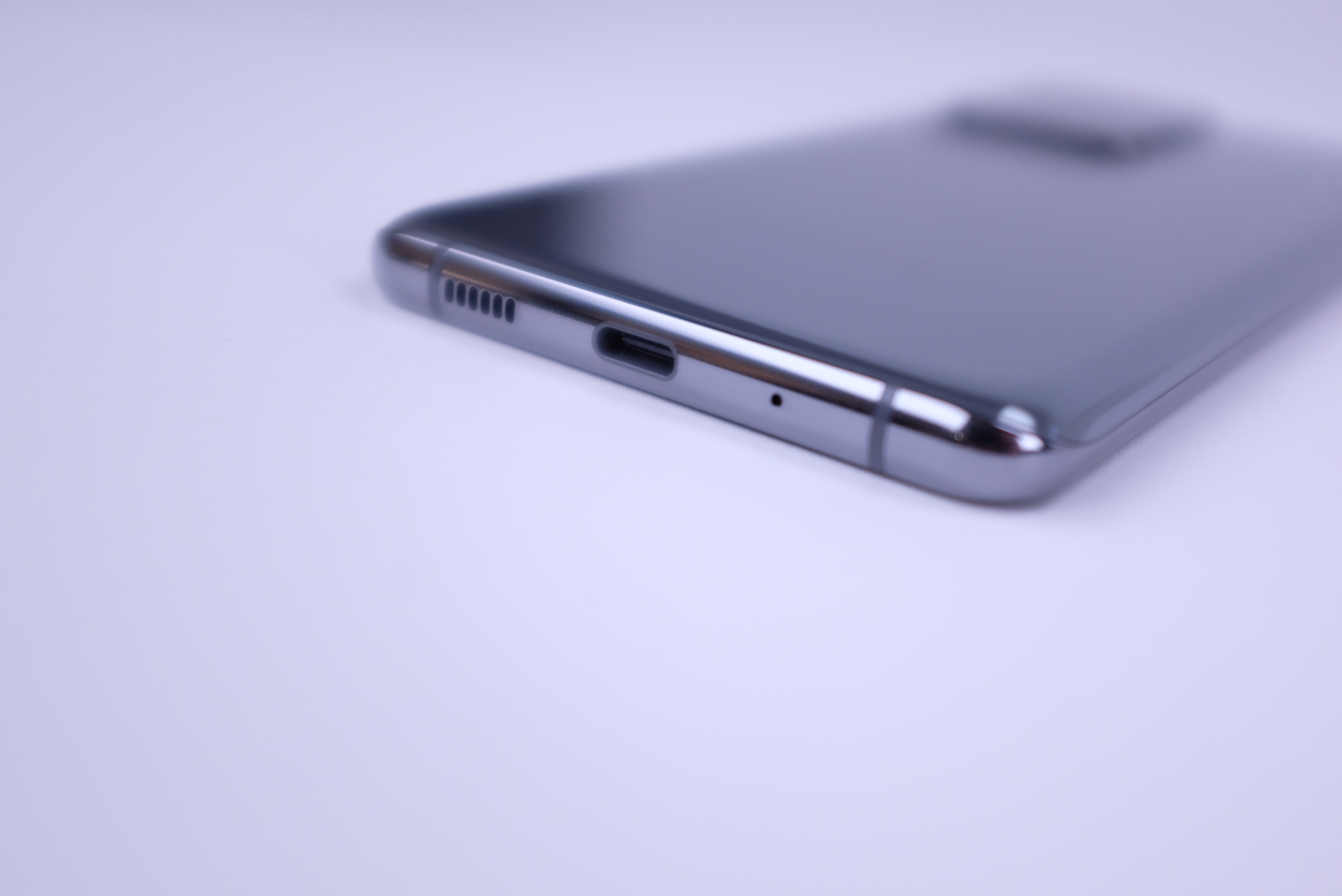
Samsung Galaxy S20

There’s another surprise partnership in the form of Google. The software giant’s video chat platform is being baked directly into Samsung’s UI with an icon available in the dialer, so users can choose between a voice or video display — similar to Apple’s longtime FaceTime integration, albeit through a third-party here. The S20 is also the first device that can deliver a chat in full HD — though that will require a good 5G connection on both sides, so it’s safe to say it’s going to be…limited at launch.

One more big partnership to mention here is Microsoft. The company will be launching Forza Street in the Galaxy Store — its first appearance on Mobile. That arrives at some point in the spring.
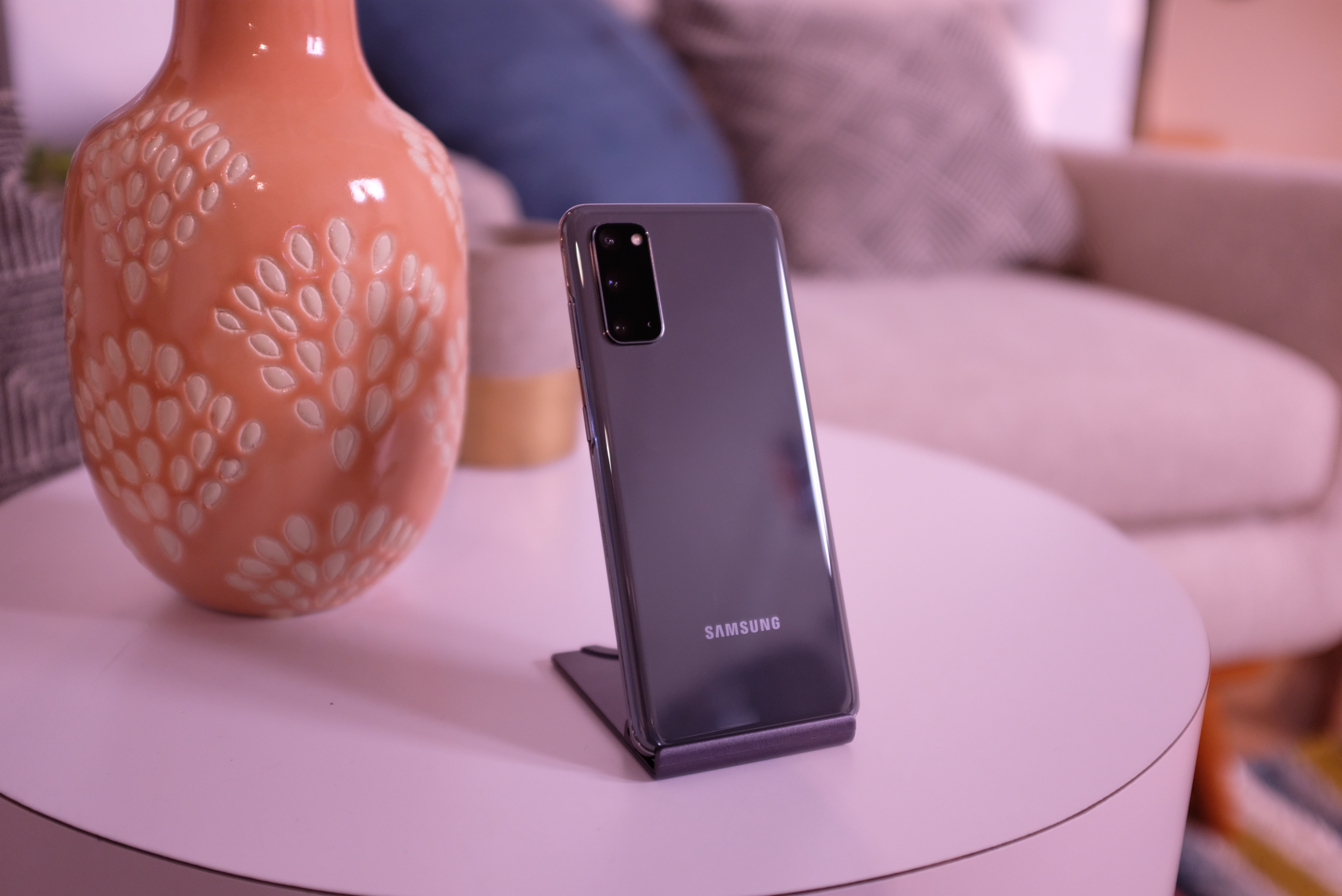
Samsung Galaxy S20

As for internals, the S20 sports a healthy 4,000 mAh battery, which the S20+ and Ultra bump up to 4,500 mAh and 5,000 mAh, respectively. The systems will sport the latest Qualcomm 865 here in the system, along with healthy starting specs of 12GB of RAM and 128GB of storage.

Pre-order for the new flagships opens February 21, with wide availability on March 6. Rather than the more traditional bundles of things like earbuds or charging pads, Samsung is tossing in credits for pre-orders. Those who pick up the S20, S20+ or S20 Ultra will get a $100, $150 or $200 credit, respectively, redeemable for Samsung software or services.


from blogger-2 https://ift.tt/2Hf1kev
via IFTTT