Tuesday, October 29, 2019

Samsung’s new laptops charge phones with their touchpad

Some features are the result of consumer demand. Others simply make sense. And then there are features like the Galaxy Book Flex and Ion’s Wireless PowerShare that appear to be more a product of a “because we can” approach to product design.

Wireless charging is, in and of itself, kind of a no-brainer in an era when many or most flagship smartphones support the technology. Samsung’s implementation, however, leaves a lot to be desired here. It’s true, of course, that Wireless PowerShare’s implementation is less than ideal, requiring one of two phones to be face-down, but I can certainly see applications for the tech.

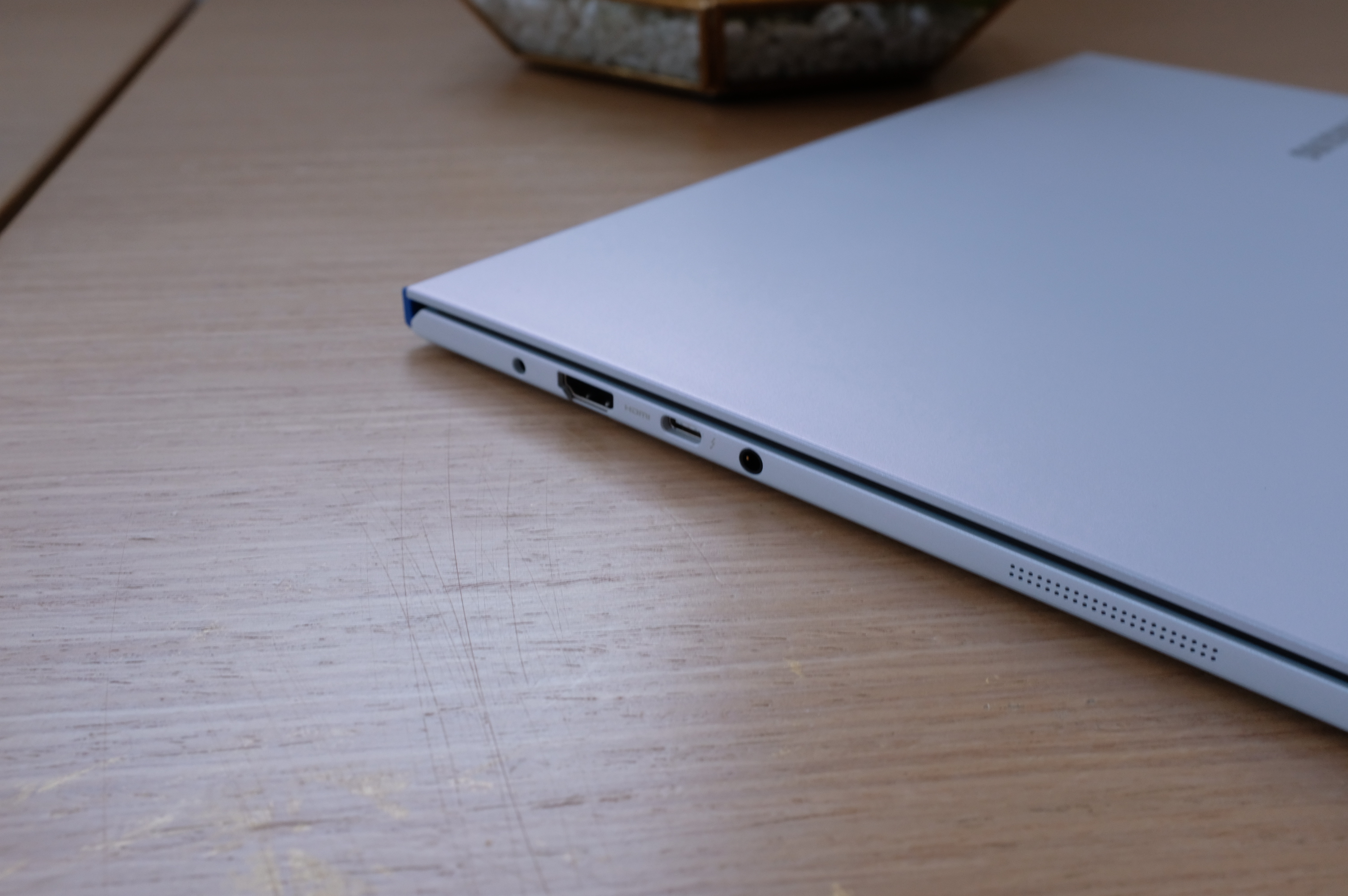
DSCF8374

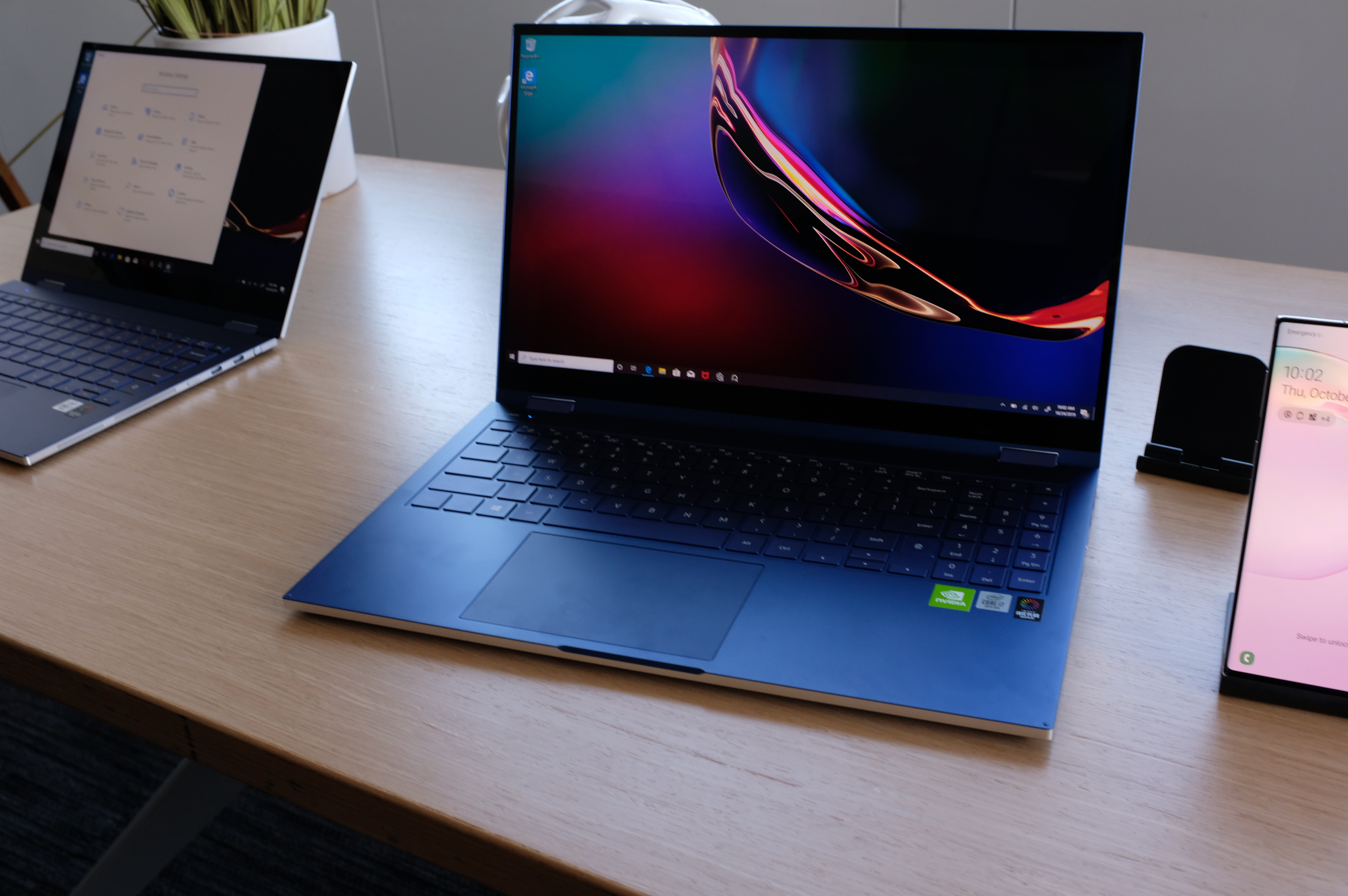
On the new laptops, however, charging the phone requires that it occupy all of the trackpad. In the case of the Flex, I suppose you can still use the touchscreen (there isn’t one on the Ion), but even so, there’s no scenario in which having a phone sitting on the trackpad doesn’t seriously dampen one’s ability to get some serious work done.

Between the issues and the fact that you can charge your phone the old-fashioned way with the laptops, it’s hard to find a scenario in which the feature is anything but a gimmick. Samsung says the trackpad offered the easiest implementation of the tech — versus, I suppose the palm rest or the top of the device. I’m not sure there’s a great implementation for a feature that might have better been left on the drawing board.

DSCF8369

It’s a silly feature on what are otherwise very solid additions to Samsung’s laptop line. The Flex is the more premium of the two, featuring a touchscreen and the 360-degree hinge that gives the device its name. The laptop has an aluminum body with a “royal blue” finish and a built-in slot for the included S Pen. It comes in both 13 and 15-inch varieties, with a 10th-gen Intel processor, 16GB of RAM and up to a TB of storage.

Also available in 13 and 15-inch versions, the Ion ditches the touchscreen and 360 hinge, but maintains an ultra-thin, lightweight design.

DSCF8390

Samsung’s jumping the gun a little early on the announcement here. Both models will be available in the U.S. early next year, priced similarly to their predecessors. Asked why the company didn’t just wait for CES for the announcement, it noted models arrive at different times in different markets.

Based on past systems, it seems like a pretty safe bet that they’ll be hitting Korean shores earlier. Perhaps in time for the holidays.


from blogger-2 https://ift.tt/2JuILEy
via IFTTT

Thursday, October 17, 2019

Samsung confirms glaring S10 fingerprint reader flaw, promises fix

Galaxy S10 users should turn on some alternative security features as Samsung works to address a major flaw with the device’s in-screen fingerprint sensor. The consumer electronics giant noted the issue today after a British user reported the ability to unlock her device with unregistered fingerprints.

The flaw was discovered after placing a $3.50 screen protector on the device, confirming earlier reports that adding one could introduce an air gap that interfered with the ultrasonic scanner. The company noted the issue in a statement, telling the press that it was, “aware of the case of S10’s malfunctioning fingerprint recognition and will soon issue a software patch.”

Third party companies including Korean bank KaKaoBank have suggested users turn off the reader until the issue is addressed. That certainly appears to be the most logical course of action until the next software update.

When it hit the market back in March, the company touted the technology as one of the industry’s most secure biometric features, noting that it was, “engineered to be more secure than a traditional 2D optical scanner, the industry-first Ultrasonic Fingerprint ID, with sensors embedded in the display, reads the 3D contours of your physical fingerprint to keep your phone and data safe. This advanced biometric security technology earned the Galaxy S10 the world’s first FIDO Alliance Biometric Component certification.”

Samsung has warned against the use of screen protectors previously, but the ability to fool the product with a cheap off the shelf mobile accessory clearly presents a major and unexpected security concern for Galaxy users. We’ve reached out to Samsung for further comment.

Update: Samsung provided TechCrunch the following comment,We are investigating this issue and will be deploying a software patch soon. We encourage any customers with questions or who need support downloading the latest software to contact us directly at 1-800-SAMSUNG.


from blogger-2 https://ift.tt/2OV5jSA
via IFTTT

Monday, October 14, 2019

Samsung opens Android 10 One UI beta ahead of final launch

After pushing back a planned early-October launch, Samsung has introduced the Android 10 beta of its One UI. The 2.0 version of the Android skin follows a little under a year after the first version’s beta (released in November 2018). The concept goes counter to the earliest Android overlays, instead intending to create a simpler take on Google’s operating system.

Manufacturers’ long standing instance on putting their own stamp on Android is understandable — if sometimes misguided. Samsung’s initial stated intention for One UI is to let software and hardware, “work together in perfect harmony,” to paraphrase Stevie Wonder.

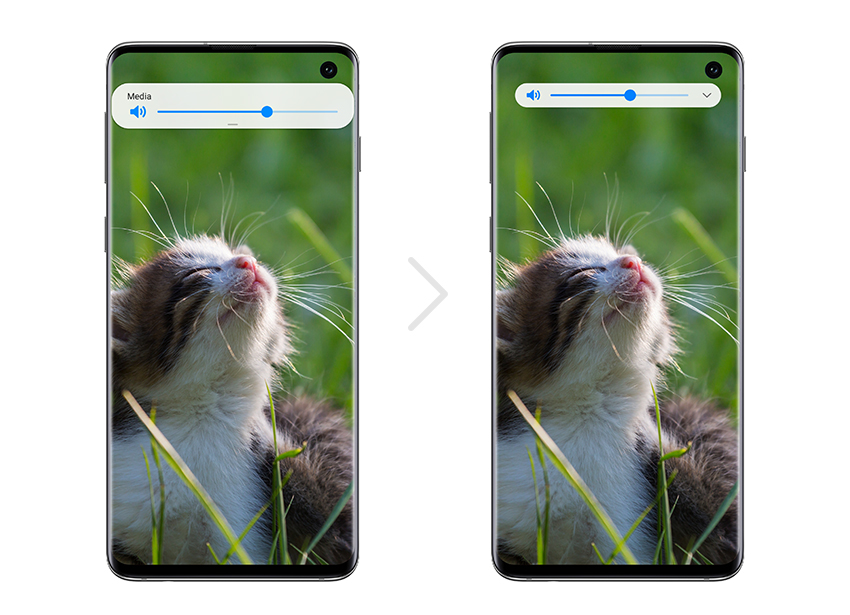
Samsung One UI Beta Program Cat S10 full screen

One UI is largely a success on these fronts. And Samsung is understandably cautious about the roll out, opting again for a public beta version, ahead its Android 10 release. “Select” Galaxy S10 owners in the U.S. can sign up for the program starting today, with a final release “in the coming months.” There are a lot of Galaxy phones out there, so the company clearly wants to get the experience right, gathering up user feedback in the process. 

Here’s what’s new, per Samsung,

  • A new, smarter layout with animated icons and improved edge lighting
  • An enhanced Dark Mode that reduces display brightness while viewing content and provides battery saving benefits
  • Minimized pop-ups, embedded loading indicators and the ability to only view buttons the user needs
  • A streamlined design where notifications take up less space, allowing users to stay up to date while focusing on the task at hand
  • Focus Mode to pause apps temporarily for times when you need to minimize distractions

More info on Samsung’s blog.


from blogger-2 https://ift.tt/2q5BQuD
via IFTTT

Sunday, October 13, 2019

Samsung’s Galaxy Fold concierge service is live in the US for those who need it

Part of Samsung’s reboot of the Galaxy Fold was the announcement of a Premiere Service. Along with a reinforced version of the phone and a lot more warning labels, the company announced that it would also be a 24/7 care service…just in case something happened with the device.

I had some issues with my in just over a day, after not running into any trouble with the original version of the phone. Given how gingerly the company insists users act with the device, my issue doesn’t appear to be particularly widespread — good news for Samsung on that front. Even so, this sort of things feels pretty necessary for a $2,000 (and up) phone that is effectively in mass beta testing.

close fold

Two weeks after making the device available in the States, Premier Service has gone live. Sammobile noted the addition of Fold Concierge via a new software update, bringing with it support via phone or video chat. The list of potentially helpful features ranges from on-boarding with the device to a $149, same-day screen replacement service. That can be accommodated in person at a number of locations.

It’s a pretty unique offer from a big consumer electronics company — though the Fold is nothing if not unique, I suppose. I’ve got a fuller write up of my impressions of the handset here. The TLDR version is the I can’t recommend the purchase of what is very much a first generation device that’s double the price of a standard flagship. If you’re so inclined, however, Samsung’s got a hotline for you.


from blogger-2 https://ift.tt/2IKT07e
via IFTTT

Saturday, October 12, 2019

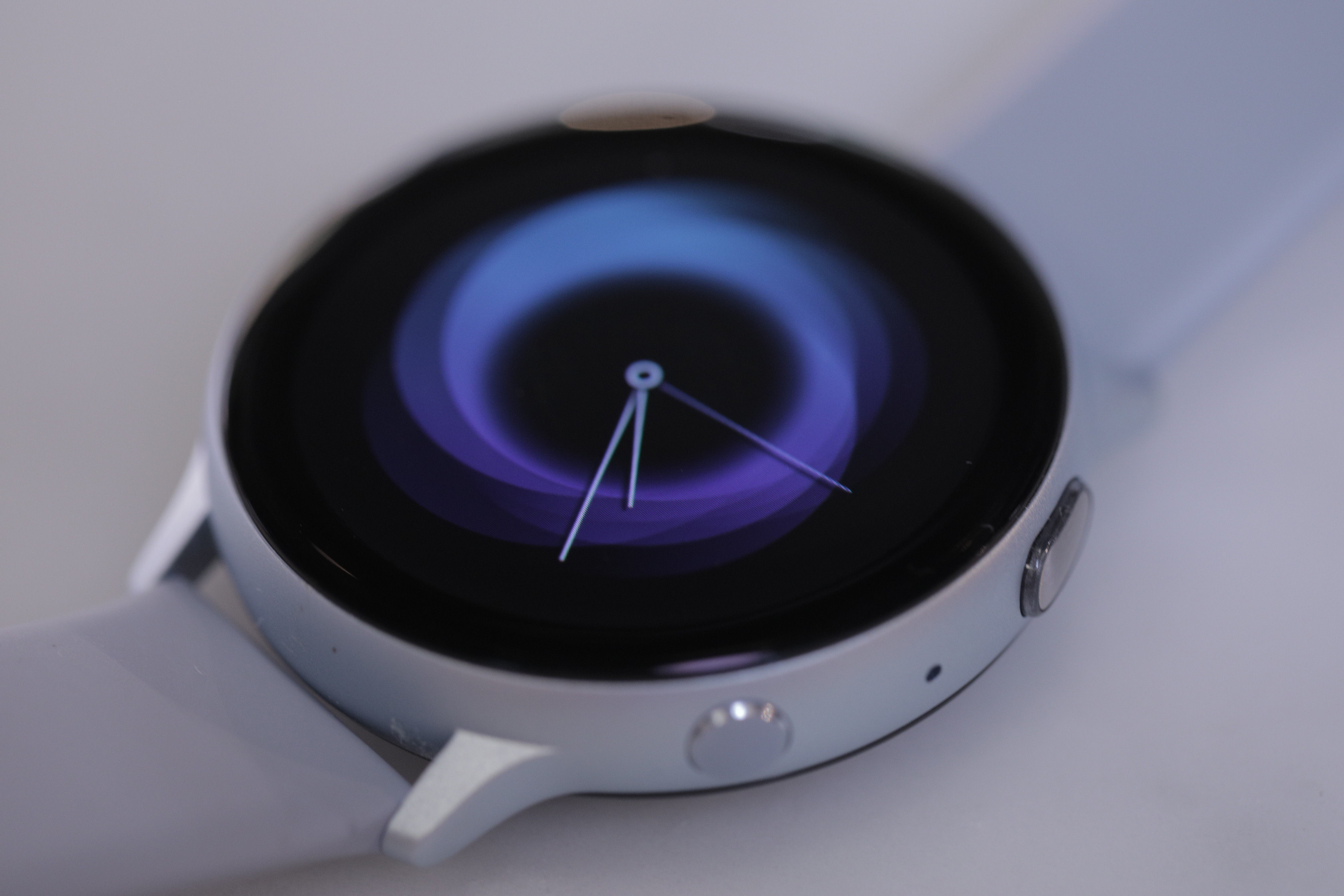
Samsung’s Galaxy Watch Active 2 is a solid smartwatch for Android users

Samsung makes good, underrated smartwatches. It’s just been difficult to get much attention in a category so utterly dominated by a single player. Even still, the company has managed to hold onto the number two spot in global market share, according to recentish numbers. At 11.1 percent, it’s a little less than a third of what Apple’s been able to generate.

The line has been a fairly stark contrast to Apple’s offerings. Samsung’s smartwatch philosophy is in line with its mobile counterpart: offer variety and don’t be afraid to try new things. Compare that to the Apple Watch’s annual improvements. The company offers one, key product, opting to make a little bit better, piece by piece.

Announced at the Unpacked event that gave us the S10 back in February, the Galaxy Watch Active presented a streamlining of the line. And simplified —and, most notably, cheaper — take on the Tizen-powered wearable line. Honestly, that $200 price point was really the key, putting the device in line with Fitbit’s relatively recent foray into the category.

CMB 8314

A mere six months later, it returned with the Galaxy Watch Active 2. The device brings a smattering of upgrades, including improved heart rate monitoring (with the ECG sensor currently still in beta) and the addition of both an LTE model and a larger 44mm version. Thankfully, it maintains a streamlined design that’s a welcome alternative to some of Samsung’s bigger, bulkier offerings. 

Oddly, the company has opted to move away from the rotating mechanical bezel with the Active line, which has long been Samsung’s key differentiator in the category — perhaps in the spirit of maintaining that kind of minimalism, The rotating mechanical bezel is, simply put, the best way I’ve come across for interfacing with smartwatches, including Apple’s crown.

The Active 2 attempts to adapt the feature into a digital version with haptic feedback. Essentially you swipe around the outer edge f the device and haptics simulate the clicking of the wheel. It works better than I’d initially anticipated, but the lack of the original feature is still pretty glaring. Here’s hoping the company rethinks the omission for future versions.

CMB 8321

As with the latest Apple Watch, there’s an always on screen option, though it’s going to take its toll on battery life. With the feature off, however, I was able to get more than two days life on a single charge, which isn’t too shabby. That’s better than Apple, though both companies are still well behind what Fitbit’s able to get out of a device.

Honestly, in 2019, all smartphone makers should be pushing for ways to get more life on a charge — especially those offering some form of sleep tracking. Now that other features like ECG have begun to become ubiquitous, this ought to be the next big push for the industry at large.

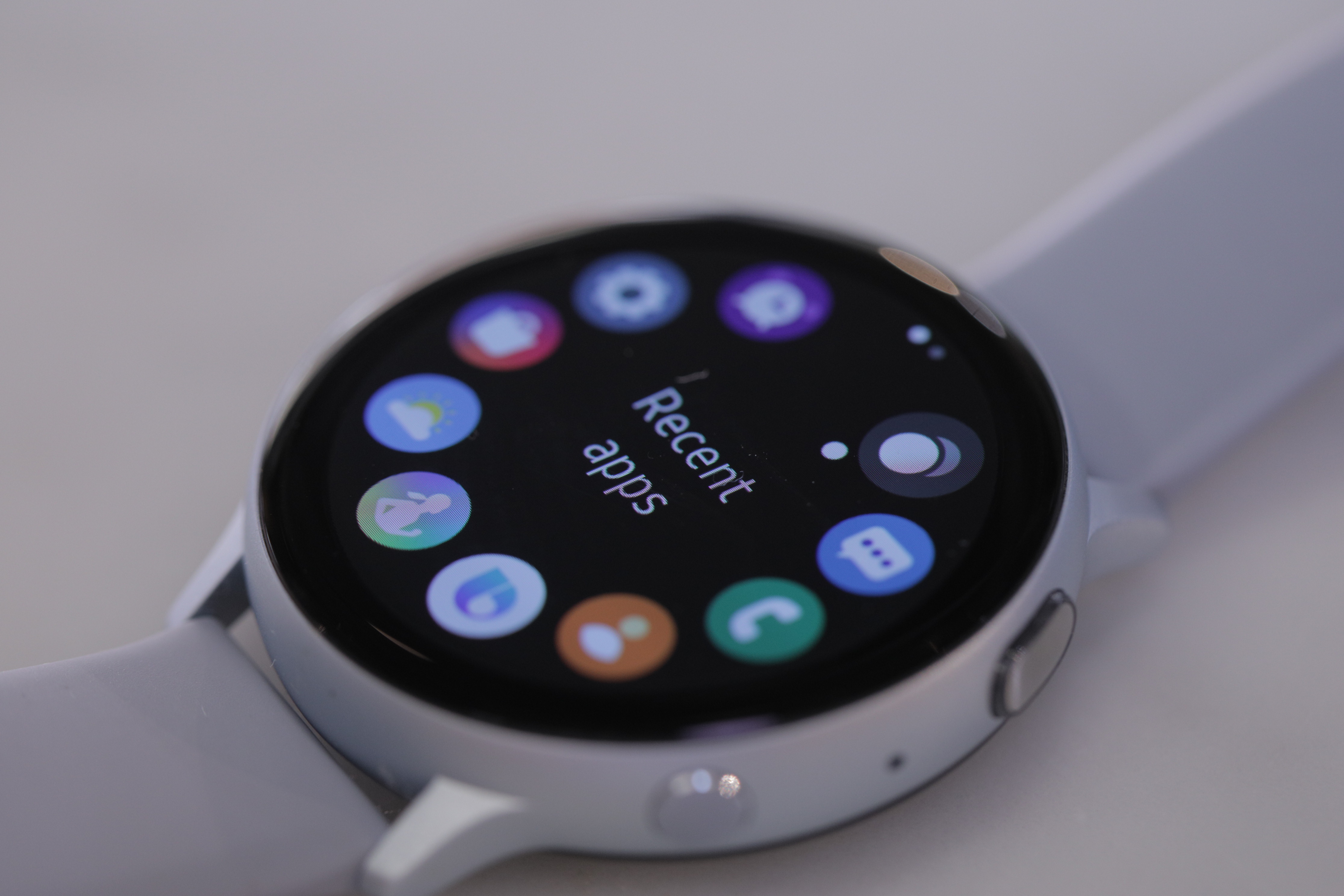
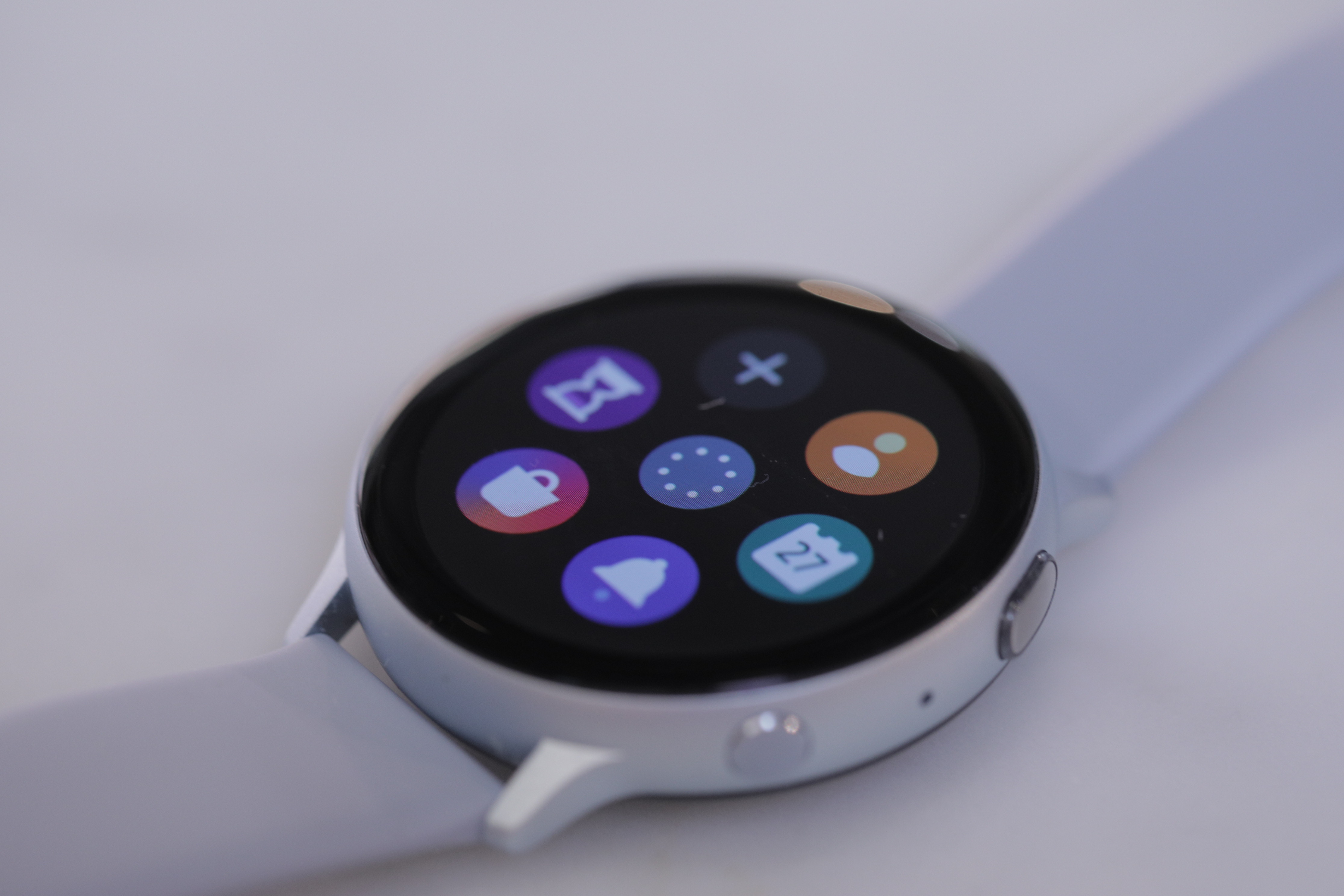
My Style is a fun, but ultimately unnecessary trick, wherein the app lets you tailor the color of a watch face using a smartphone photo of what you’re wearing. The app selection is still pretty limited, compared to Apple’s offering, though some key features like Spotify are here. That now includes offline playlists. Other key apps like YouTube have been improved as well.

CMB 8319

It’s hard to imagine the company catching up to an Apple on the third-party app side, but Samsung’s long had one key advantage over the Apple Watch: Android compatibility. And with Google’s Wear OS being fairly consistently underwhelming, Samsung’s got some real opportunity to capture even more marketshare.

It would be nice if the Active Watch 2 was a bit more aggressively priced. Apple’s decision to keep older units around means you can pick up, say the Series 3 for $200. There’s also the $200 Fitbit Versa 2. Some may find the $280 price point worth it for the (forthcoming) addition of things like ECG, but for most consumers, the $200 original Watch Active continues to be the better deal.


from blogger-2 https://ift.tt/2IKz3gR
via IFTTT

Friday, October 11, 2019

Life with the Samsung Galaxy Fold

Avoid pressing hard on the screen.

Tap lightly to keep it safe.

Your Galaxy Fold isn’t water or dust resistant.

Don’t allow any liquids or foreign objects to enter it.

Don’t attach anything to the main screen, such as a screen protector.

So begins your journey. It’s the story of one of the most fascinating product releases in recent memory. It’s also the story of the most polarizing product I’ve ever reviewed…twice.

The Galaxy Fold is at once a hopeful glimpse into the future and a fascinating mess. It’s a product I can’t recommend anyone purchase, but it’s one I’m still glad Samsung had the guts to make.
CMB 8166

What’s perhaps most frustrating are the glimpses you get using the device, those moments it transcends lovely and is legitimately useful. And when you leave the device at home, you actually start to miss the 7.3-inch display.

Two scenarios in particular have really highlighted the value of Samsung’s strong-headed approach to pushing boundaries.

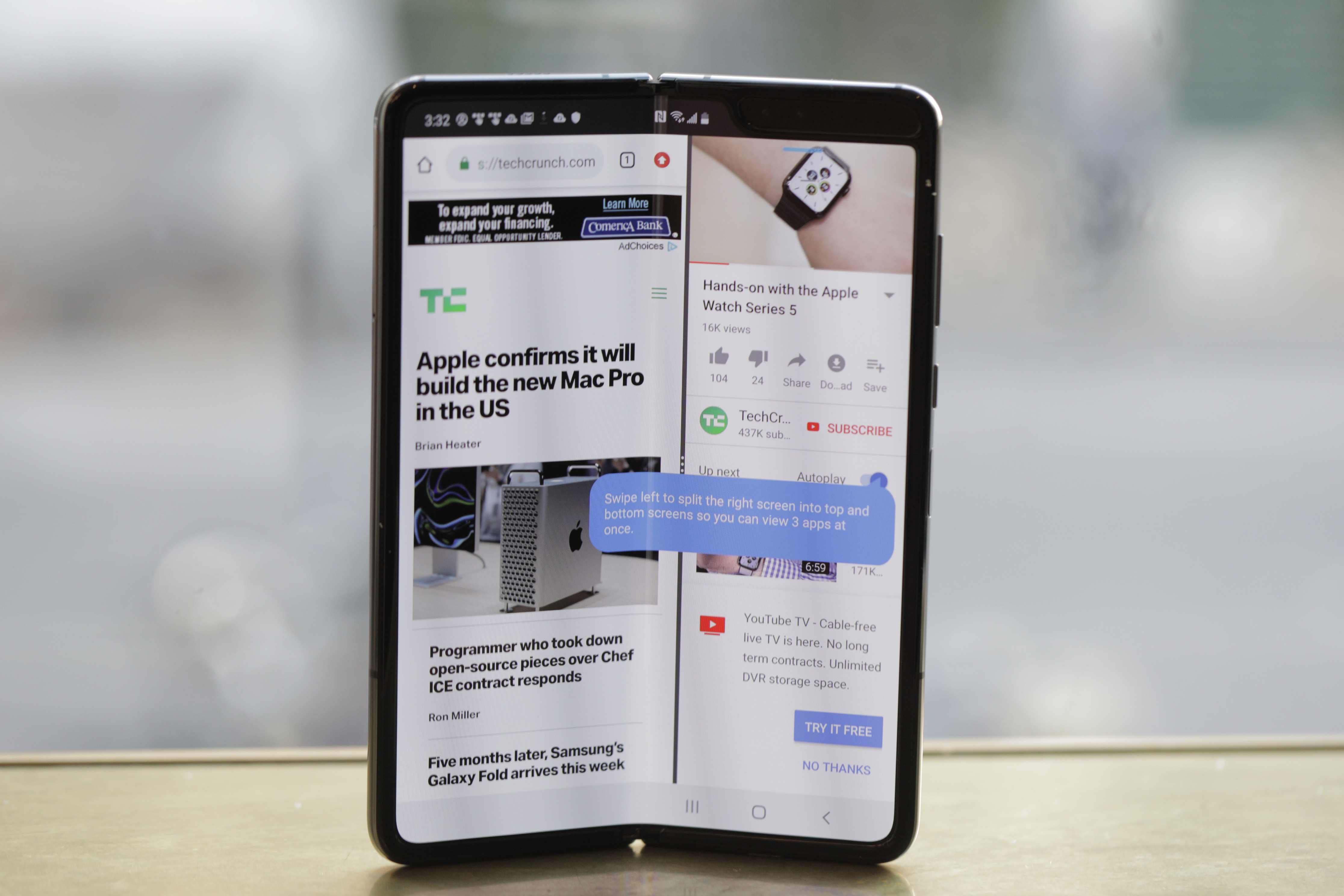
First is the gym. Unfolding the device and propping it up on the control panel of a piece of exercise equipment is a beautiful thing. Full-screen Netflix, baseball games from MLB At Bat. Watch the minutes and the calories just fly away. The Fold also works great with the Galaxy Buds, which are legitimately one of the best hardware products Samsung has produced in ages.

Second is the subway. I’ve been prepping for interviews by reading Pocket stories on the train, with the Notes app open in a side window. This is great. Like a seriously awesome thing. And this is coming from someone who still has trouble embracing smartphones as serious productivity devices. There are just too many limitations to that small screen. When I want to get work done, the laptop comes out. I’m not suggesting the Fold completely changes the math here, but it does edge ever closer, blurring that line a bit in the process.
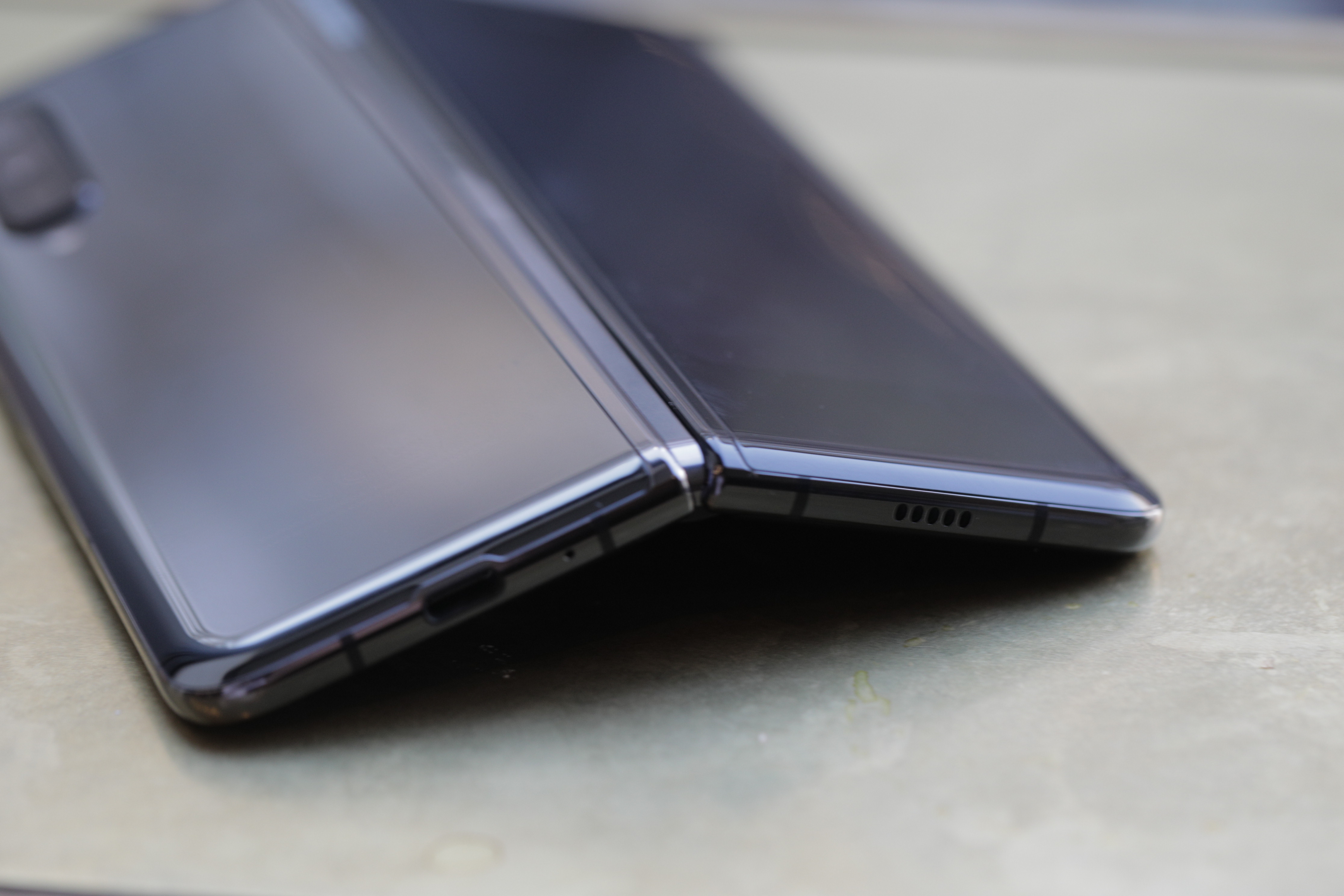
Samsung Galaxy Fold

So there you go. That’s two distinct examples, covering both entertainment and productivity. The fact is the same as ever: big screens are good. The question is how we get there. It’s a true fact, of course, that plenty mocked Samsung with the first Note device. It seems hard to believe, but in 2011, 5.3 inches seemed impossibly large for a phone. By 2018, however, 5.5 inches was the most popular screen size for handsets. And that number appears to still be growing.

Clearly Samsung was right on that one, and the Note played an outsized role in pushing those boundaries.

After years of teasing flexible and foldable displays, the tech world was understandably excited when the Galaxy Fold finally arrived. Honestly, there were long stretches of time when it felt like the handset would never arrive. As such, it feels strange to suggest that the product was somehow rushed to market.

It’s important to remember, of course, that part of the mainstreaming of big phones has been the technologies supporting the large screen. Samsung, Apple, Huawei, et al. have done a good job consistently increasing screen to body ratios. The new Notes may have bigger screens than ever, but other breakthroughs in manufacturing means we’re not walking around with bricks.

Similarly, this decidedly first-generation device is big and thick. Anecdotally, reactions have been…mixed. The two separate rounds of review devices I’ve received from the company (round two, for reasons we’ll get into in a second involved two devices) have coincided with big TechCrunch-hosted events in San Francisco. First TC Sessions: Robotics in April and then Disrupt last week.
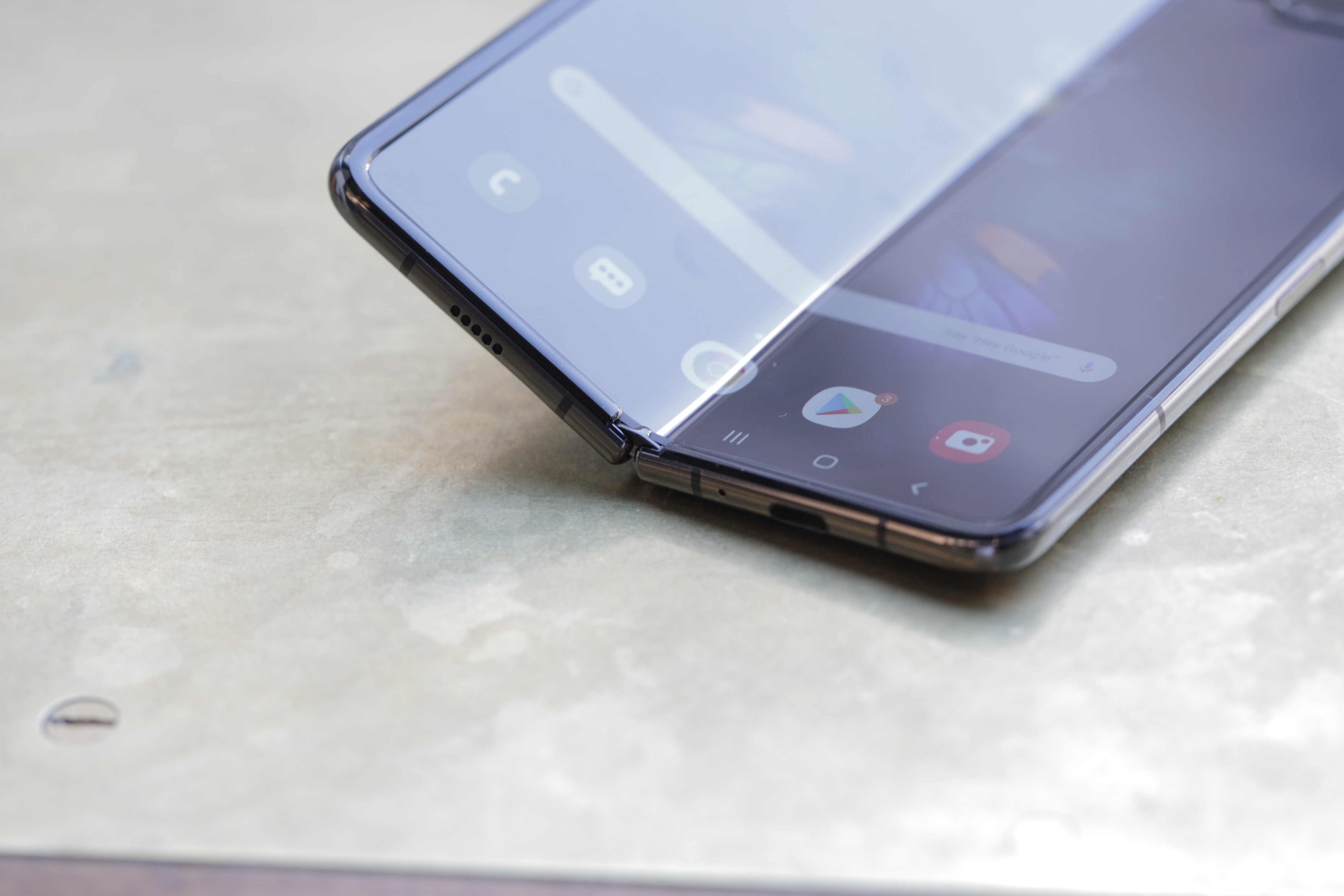
Samsung Galaxy Fold

Take some of this with a grain of salt, because my co-workers can be pretty damn cynical about new technologies (and yes, I’ve been at this long enough to include myself in this). Reactions ranged from genuinely wowed to disappointed bafflement. There was also one co-worker who repeatedly threatened to eat the device because she said it looked like an ice cream sandwich, but that’s a story for another blog post.

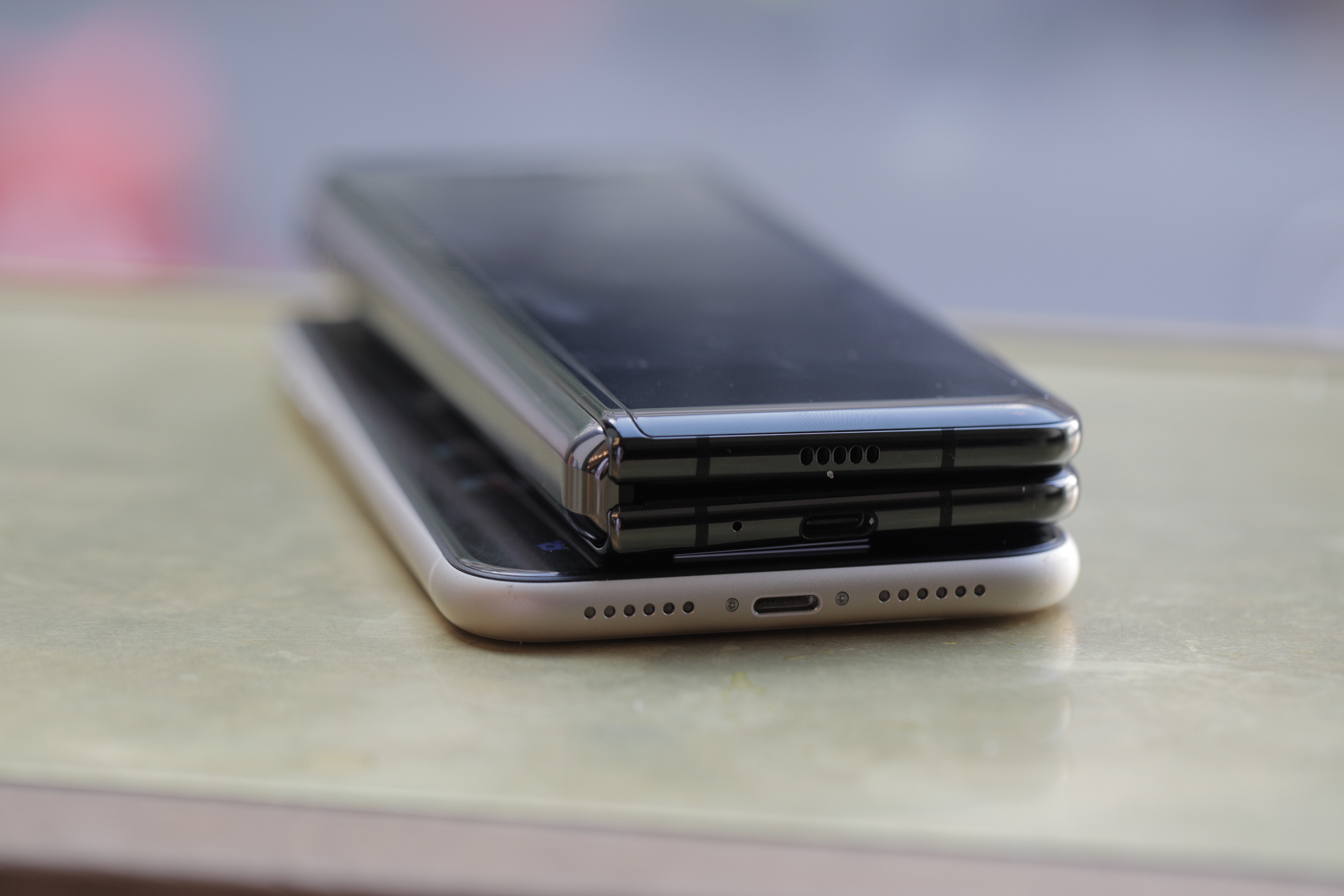
There are plenty of things to be critical from a design standpoint. The “first-gen” feel runs very deep with the device. When closed it’s quite thick — like two phones stacked atop one another. The crease is visible, as has often been reported. And the front display isn’t particularly useful. I get why it’s there, of course. There are plenty of moments when you just want to check a quick notification, bit it’s incredibly narrow and sandwiched between two massive bezels.   

None of those really matter much compared to the device’s fragility. The Fold will forever be the device whose release date was pushed back after multiple reviewers sent back broken devices. Mine worked fine. The company went back to the drawing board for several months and came back with a more robust device that patched up some holes and reinforced the folding mechanism. Mine broke.
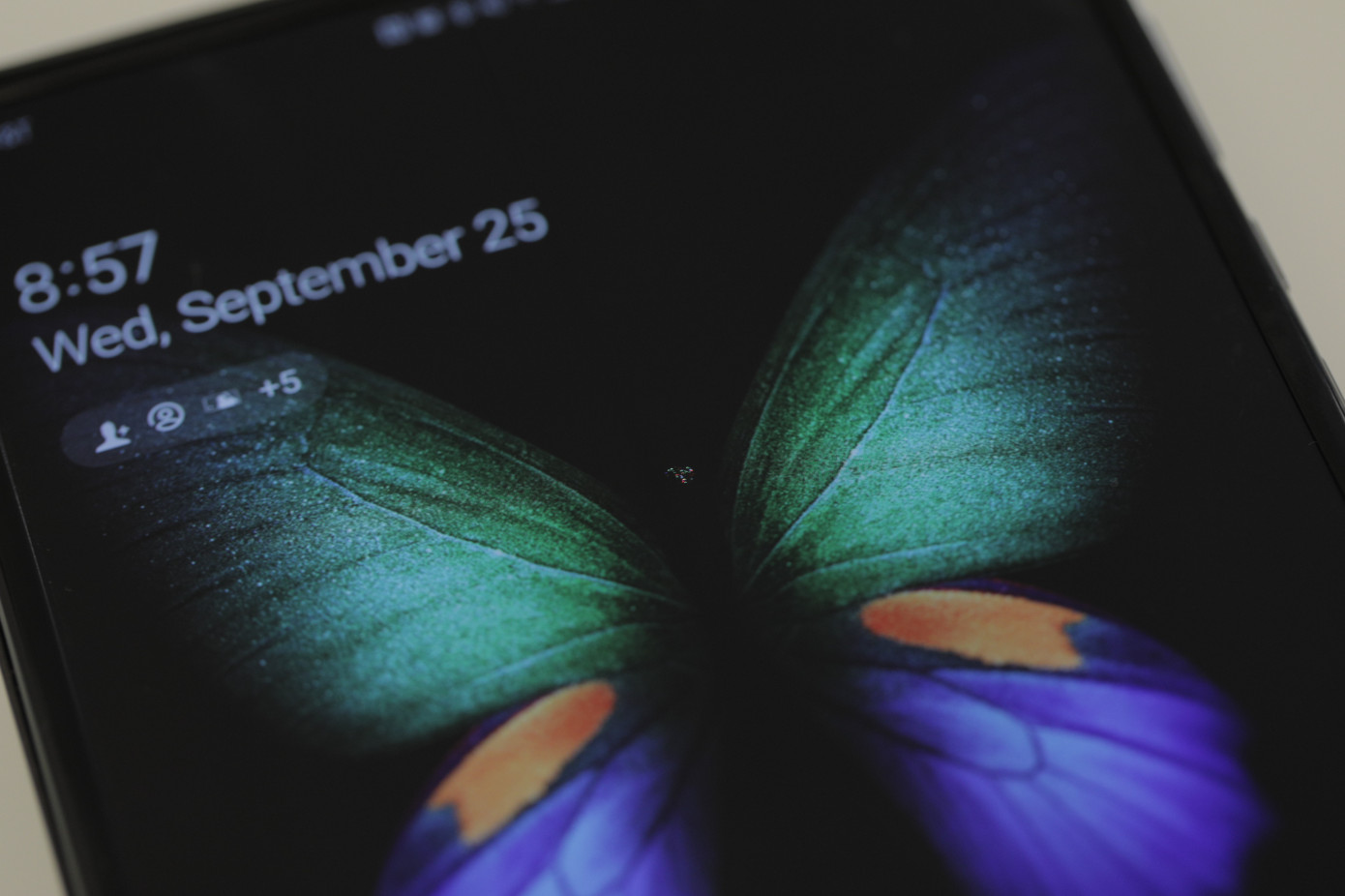
CMB 8200

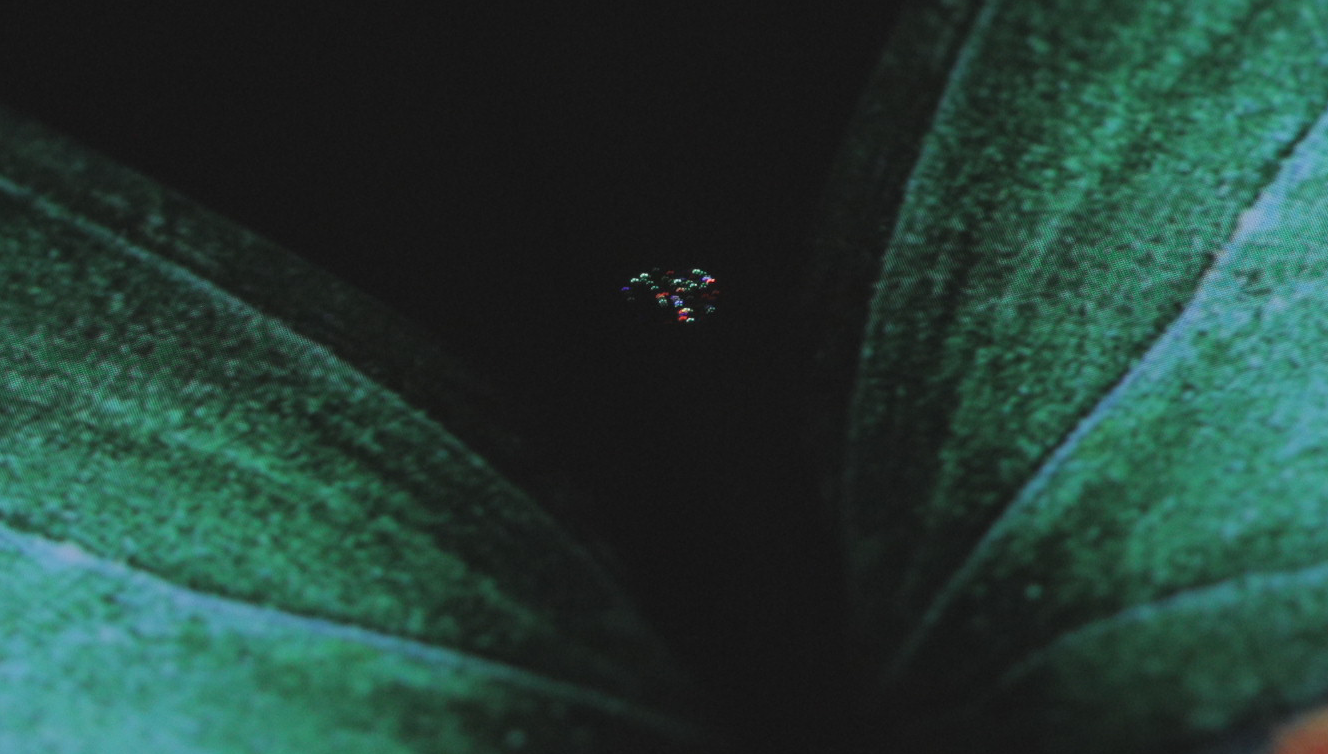
After about 27 hours with the device, I opened it up in line at CVS and noticed something weird about the screen. Sitting between the butterfly wings was a mass of pixels I referred to as an “amorphous blob.” I’d been fairly gentle with the thing, but, as I put it in a followup, “a phone is not a FabergĂ© egg.” In other words, it’s understandable that the product isn’t designed to, say, survive a drop onto hard concrete or a dunk in the toilet.

While it’s true that many other modern phones have evolved over generations to withstand such accidental bumbles, it’s also understandable that the Fold is a little more fragile. We can’t say Samsung didn’t warn us, and I do appreciate that Samsung was able to go back to the drawing board before wide release, but there’s a pretty strong argument to be made that a smartphone that needs to literally ship with warnings like the ones stated up top isn’t fully ready for prime time.

CNET recently got its hands on a folding machine and found that the handset could withstand 120,000 fold. That’s a little more than half of the promised 200,000. Another third-party test found similar results. Not ideal, but not terrible. It’s about three years’ worth of folds. If you’re dropping $2,000+ on a phone, you may well want it to last closer to the promised five years — though if you have that sort of disposable income, who knows?
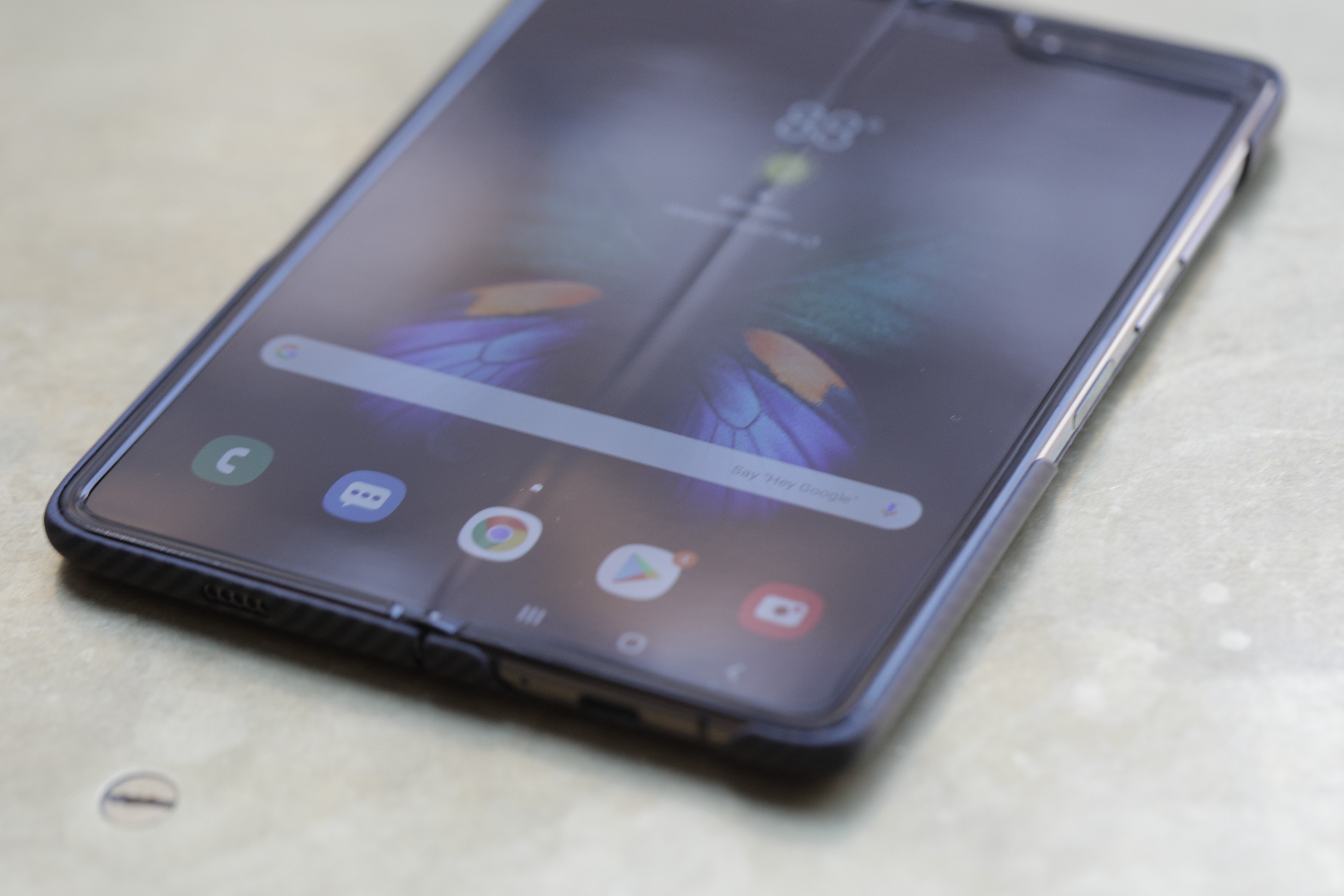
Samsung Galaxy Fold

I would honestly be more concerned with the kind of day to day issues that could potentially result in damage like what I saw. It’s possible that mine had a defect. I’ve been using a replacement that Samsung dropped off after collecting mine to send back to Korea for testing. Granted, I’ve been using it even more gingerly than its predecessor, but so far, so good.

This morning I saw a report of a user experiencing what appears to be the same defect in the same spot. A commenter astutely pointed out the placement of a screw discovered during a recent teardown that could be the source of these issues. As ever, it will be interesting to see how this all…unfolds.

I’m not going to get too far into the other specs here. I wrote thousands of words in my original review. Nothing about the underlying technology has changed between versions one and two. All of the big updates have been to the folding mechanism and keeping the device more robust.

It’s fitting, I think that my model had 5G built-in. Both technologies feel like a glimpse into the future, but there’s little to recommend plunking down the requisite money to purchase either in 2019. The clear difference is that slow saturation of next-generation cellular technology is a bit more understood at this point. Telling someone that their fingernails can damage their $2,000 phone is a different conversation entirely.
Samsung Galaxy Fold

I do think that Samsung’s committed to the Galaxy Fold long-term. And I do believe that there will eventually be a place for the products in the market.

The biggest short-term concern is all the negative press following the first wave of devices. The FlexPai felt more like a prototype than consumer device. The Fold feels like something of an extended public beta. And the Huawei Mate X, which, although incredibly promising, is still MIA, as the company does another pass on the product. Global availability is another question entirely — though, that’s due to…other issues…

[gallery ids="1885397,1885396,1885395,1885394,1885393,1885392,1885391,1885385,1885384,1885382,1885381,1885379,1885378"]

Knowing Samsung, the company will return from all of this with a much stronger offering in generation 2. There are a LOT of learnings to be gleaned from the product. And while it offers a glimpse into the promise of foldable, you’re better off waiting until that vision is more fully realized.


from blogger-2 https://ift.tt/317J26r
via IFTTT
Wednesday, October 2, 2019

Samsung pulls the plug on Chinese smartphone production

Samsung this morning confirmed with Reuters that it has shuttered handset production in China. The move comes as the company continues to struggle in the world’s No. 1 smartphone market.

As we noted in a deeper dive into China’s smartphone sales back in August, the Korean hardware giant has struggled to maintain a market share in the low single digits. It’s not alone, of course; Apple, too, has faced an uphill effort to crack the market, which is dominated by homegrown names, including Huawei, Vivo, Oppo and Xiaomi.

Sales have been driven by a combination of pricing and, in the case of embattled Huawei, patriotic purchasing decisions.

Samsung has slowly phased out production in the country over the past year, suspending operations in some plants, before ultimately pulling the plug altogether. The news follows a similar move by Sony. Apple, meanwhile, is maintaining its production in the country for now.

More recently, Samsung has looked to others countries, including India and Vietnam, which have undercut China’s production costs. The company will, however, continue selling phones in China, even as it eyes other cheaper locations for manufacturing.


from blogger-2 https://ift.tt/2nLWm2R
via IFTTT