Monday, August 5, 2019

Samsung’s new Galaxy Watch still lacks the line’s best feature

I didn’t hide my disappointment very well when I saw that Samsung had killed the mechanical spinning bezel for the original Watch Active. Samsung’s watches have been pretty solid in recent years, providing one of the stronger Apple Watch alternatives, especially in the days before Fitbit launched the Versa.

And while I’ve preferred their more minimalist designs (the Gear S2 was a particular high-water mark from that standpoint), the spinning bezel as a navigation device has long been the Tizen watch’s best feature, outshining Apple’s crown.

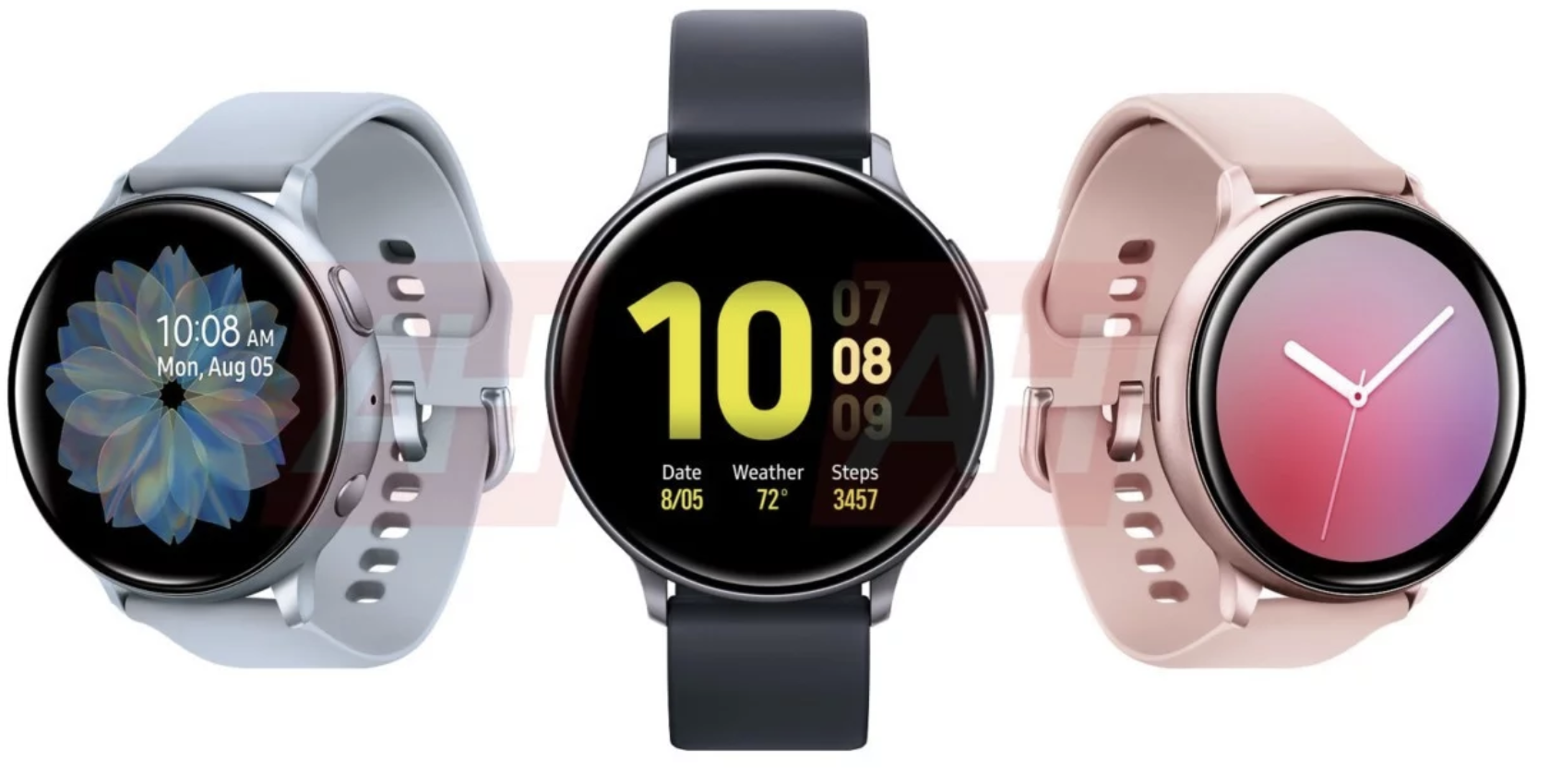
Announced this morning, the Active 2 addresses the issue — somewhat. The mechanical spinning is still gone, but the company has incorporated haptic feedback into the edges, given a kind of approximation turning the piece. I tried it. It feels okay, assuming it’s a cost-cutting measure. But there’s a certain satisfaction in twisting the older bezel that’s lacking.

Here’s hoping it’s not a design the company plans to implement across the board. Though the company referring to the new version as a “brand new upgrade” doesn’t give me a lot of hope for the poor bezel’s future.
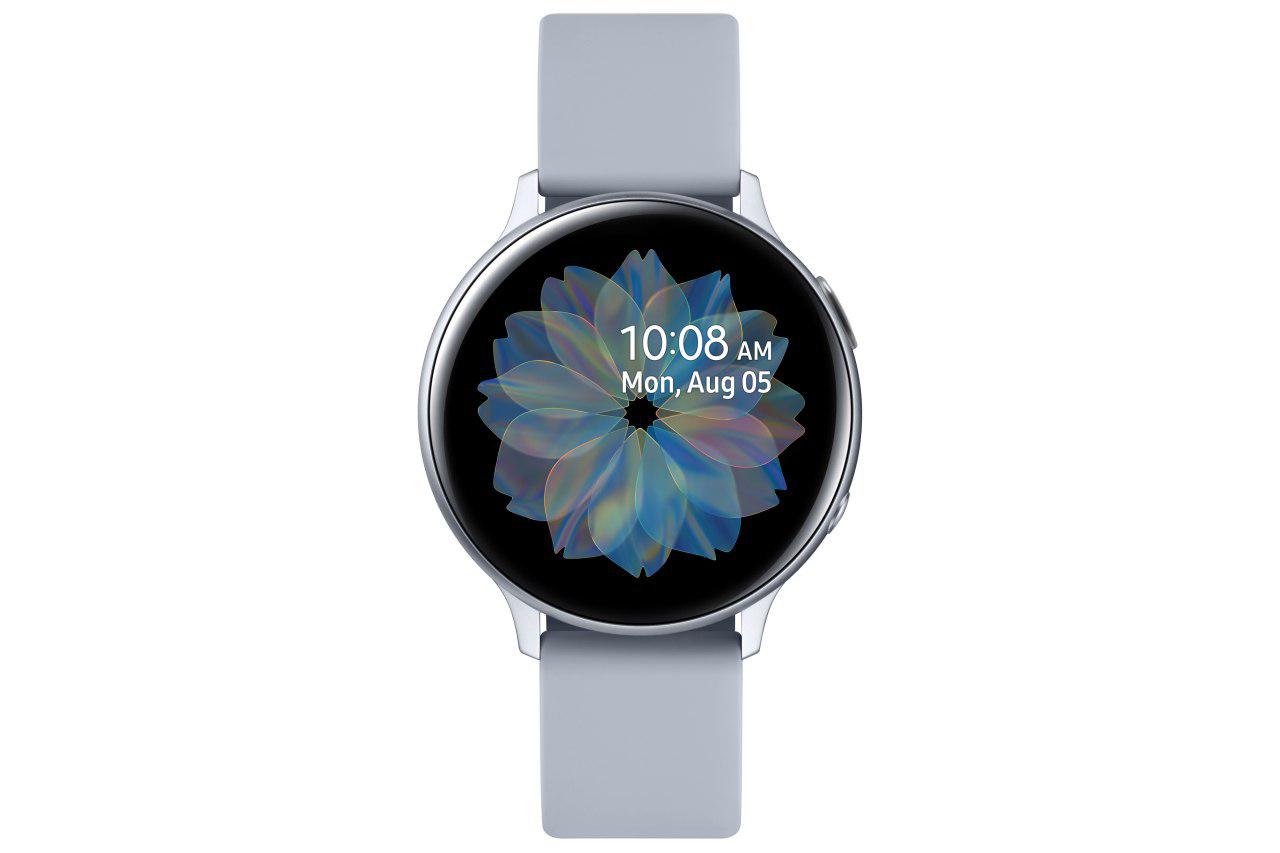
photo 2019 08 02 07 02 18

Interestingly, the Galaxy Watch Active 2 isn’t designed to replace either the standard Galaxy Watch or the original Watch Active, which was introduced less than six months back. Rather, it’s a mid-tier device that slots between the two.

I do appreciate the relative minimalism of design. It’s better looking and more comfortable than the bulkier Galaxy Watch. And with 40 and 44 millimeter options, it should fit on a fairly broad range of different wrists.

Among the more interesting additions on the software side is My Style, an addition to the app that takes a photo of what you’re wearing and adjusts the color of the face to match accordingly, coupled with one of five different patterns.
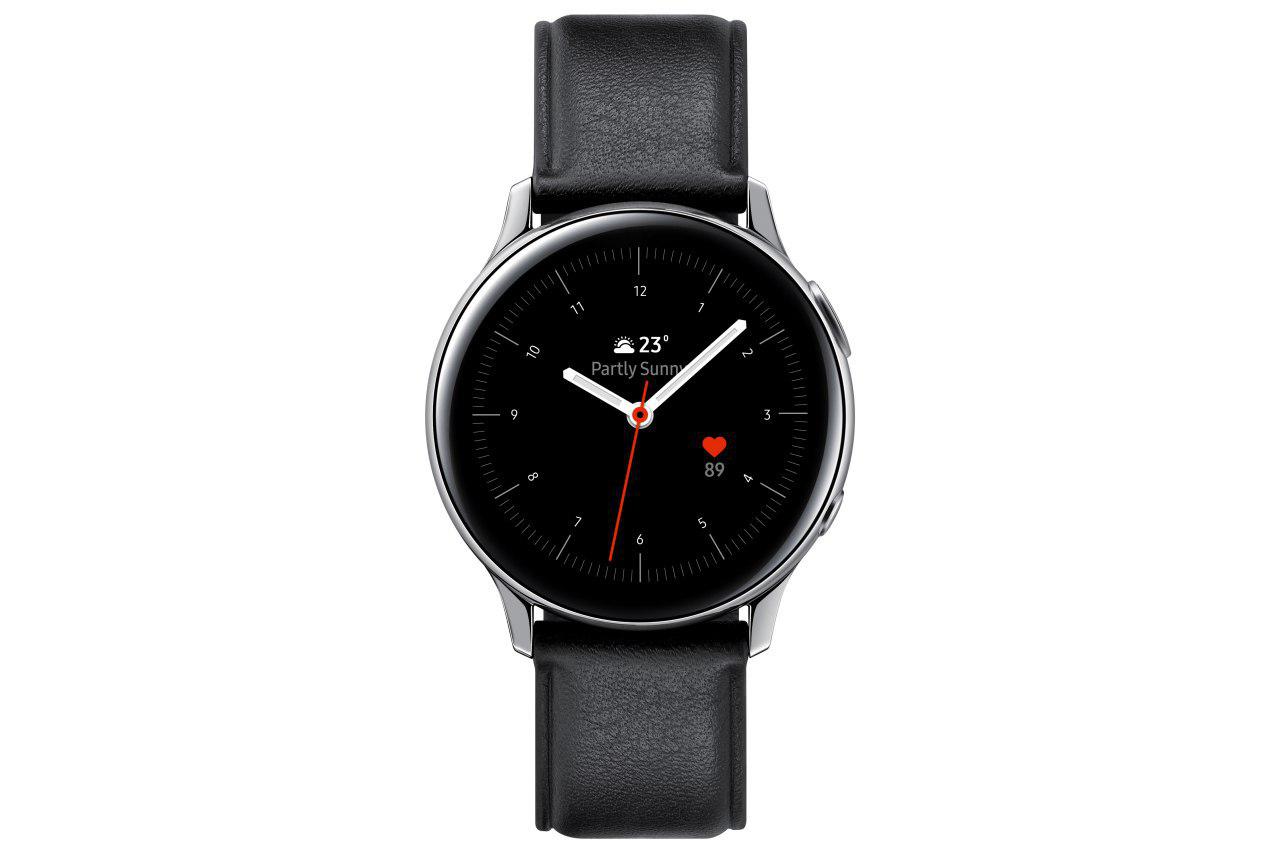
photo 2019 08 02 07 02 37

Health is, as ever, an important piece. Heck, it’s right there in the name. Of the 39 different workouts, seven are auto-activated, while a new Running Coach feature offers motivation. There’s also guided meditation and stress level tracking. Interestingly, the handset has the hardware for tracking ECG/EKG, but the functionality won’t be available at launch. Samsung wants to do some opt-in data tracking first, but I suspect a lack of FDA approval also played a role there.

The Active 2 will be available September 27 at $280 for the 40mm version and $300 for the 40mm. Pre-orders start Tuesday. There’s also an LTE version coming in September, with pricing still TBD.


from blogger-2 https://ift.tt/2YnNt0g
via IFTTT

Friday, August 2, 2019

What to expect from Samsung’s Galaxy Note event

Samsung’s never been particularly good at keeping things under wraps. That’s no doubt, at least in part, by design. The company loves priming the rumor pump ahead of product announcements, and like clockwork, we’ve already seen plenty of what we expect is planned for next Wednesday’s Unpacked event in Brooklyn.

Earlier this week, Samsung announced the Galaxy Tab S6, its latest shot against the iPad Pro. Doing low-key product announcements ahead of events has become a bit of a thing of late. Apple and Google both did it earlier this year. Among other things, it’s a way of letting the world know that you’ve got more stuff to announce than a single event could possibly hold.

It seems like Samsung’s got a fair amount lined up for Wednesday, but the big show at Barclays is really about one thing:

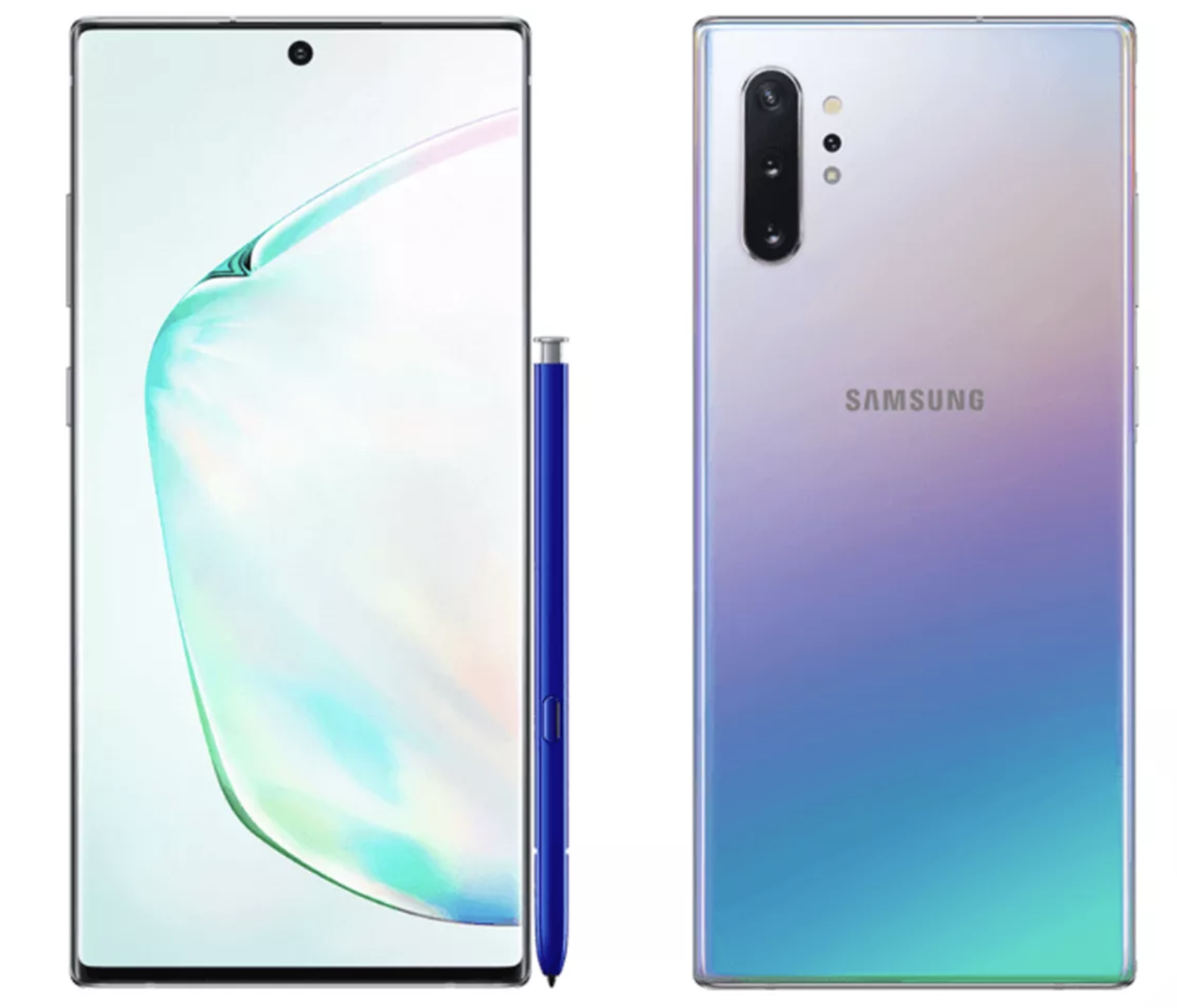
The Galaxy Note 10

Screen Shot 2019 08 02 at 1.05.42 PM

Duh, right?

If there’s one thing Samsung likes more than devices, it’s a lot of devices. Following on the heels of a bunch of new Galaxy S devices, the company is expected to release between two and three new models.

The big news here is the expected addition of a Plus or Pro model. For whatever percentage of the population that’s been holding off on buying a Note over concerns that the screen just isn’t large enough, the new model is a expected to support a 6.8-inch display compared to the standard Note’s 6.3 (both AMOLED). That’s definite tablet territory, but Samsung’s made great strides on the body-to-screen ratio front, so it may not be the size and weight of a manhole cover.

A third model, which is more wishful thinking than full-on rumor for now, has the company releasing a 5G model. It makes sense from a strategy standpoint. Samsung released an everything-and-the-kitchen-sink version of the S10 with 5G last month, and the company clearly prides itself at being one of the first to bring the tech to market — even though carriers haven’t really caught up.

Rumors point to a triple-lens camera this time out, including a 16-megapixel ultra-wide on board, while the Pro/Plus is getting a depth-sensing time of flight sensor. Internally, we expect the addition of the Snapdragon 855 Plus. The Note would be among the first to sport the newly souped-up chip announced by Qualcomm a couple of weeks back.

Charging is expected to be sped up to support the beefy 3,600mAh/4,300mAh batteries, and 8/12GB of RAM are expected on the standard and Plus models, along with 25GB of storage.

Oh yeah, and then there’s that dongle.

Galaxy Watch Active 2

Screen Shot 2019 08 02 at 1.07.25 PM

It’s been less than half a year since Samsung showed off the original Galaxy Watch Active, but the company is rumored to already be ready for part two. Available in both 40 and 44mm versions, the watches are said to bring ECG detection and fall monitoring, following recent additions for the Apple Watch. Rumors also point to the removal of the spinning physical bezel in favor of a touch version.

Etc.

DSCF5301 1

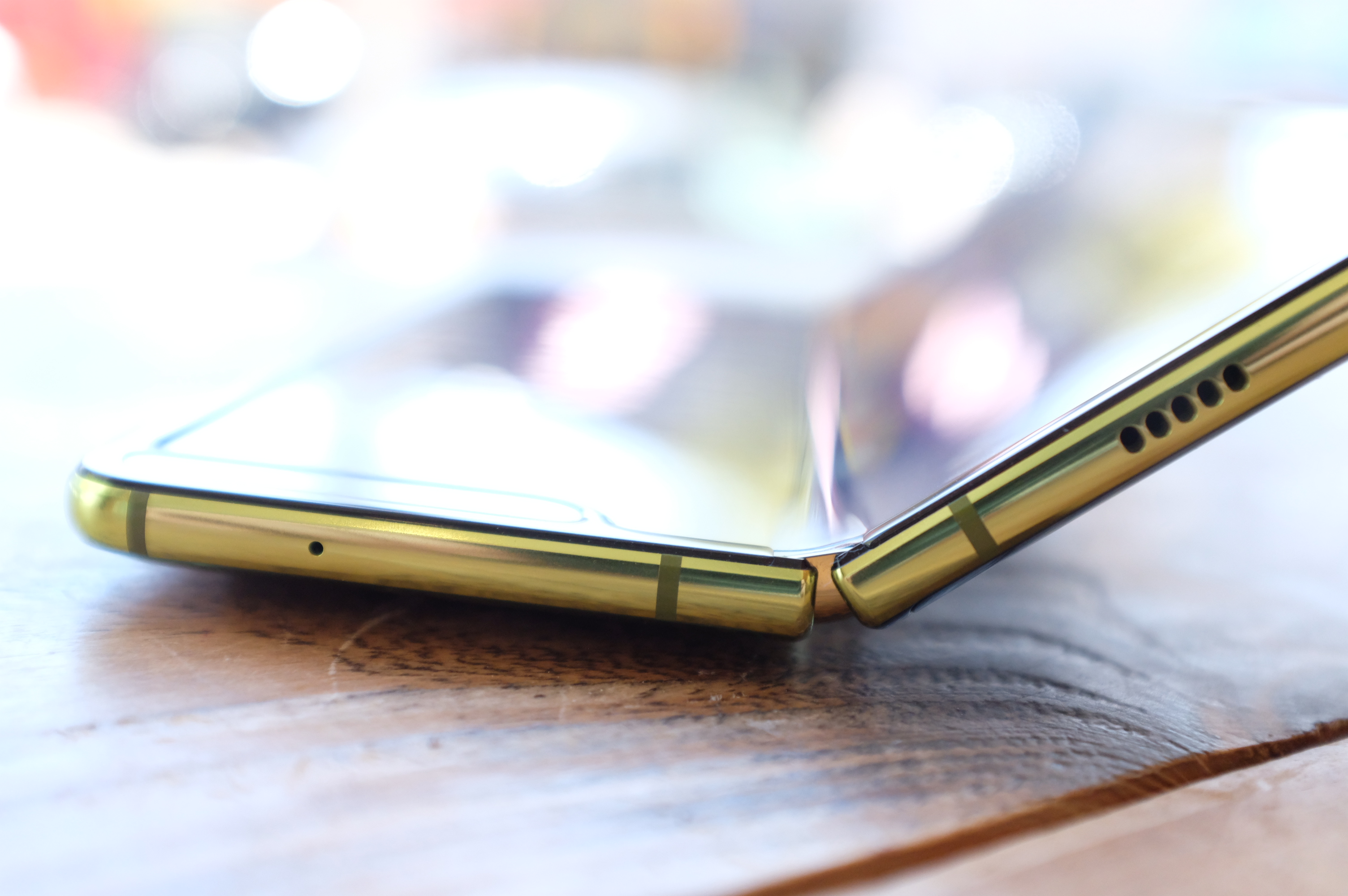
More information on the Galaxy Fold seems like a no-brainer. We got a rough time frame of September a couple of weeks back. I’d anticipate something more specific on the long-awaited and much-delayed foldable, along with some more information on those fixes.

Similarly MIA is the Galaxy Home, which was announced this time last year. We still don’t have a specific date on the company’s HomePod competitor, in spite of rumors that the company was already working on a cheaper version. Or maybe Samsung would rather sweep the Bixby delivery device under the carpet altogether?

All will be revealed on Wednesday, August 7, starting at 1PM ET/11AM PT.


from blogger-2 https://ift.tt/2SYwFXK
via IFTTT

A closer look at China’s smartphone market

In February 2013, China surpassed the United States to become the world’s largest smartphone market. More than half a decade on, it still proves an elusive target for international sellers. A glance at reports from the past several shows reveals the top spots dominated by homegrown names: Huawei, Vivo, Oppo, Xiaomi.

Combined, the big four made up roughly 84 percent of the nearly 100 million smartphones shipped last quarter, per new numbers from Canalys. Even international giants like Apple and Samsung have trouble cracking double-digit market share. Of the two, Apple has generally done better, with around six percent of the market — around six times Samsung’s share.

But Apple’s struggles have been very visible nonetheless, as the company has invested a good deal of its own future success into the China market. At the beginning of the year, the company took the rare action of lowering its guidance for Q1, citing China as the primary driver.

“While we anticipated some challenges in key emerging markets, we did not foresee the magnitude of the economic deceleration, particularly in Greater China,” Tim Cook said in a letter to shareholders at the time. “In fact, most of our revenue shortfall to our guidance, and over 100 percent of our year-over-year worldwide revenue decline, occurred in Greater China across iPhone, Mac and iPad.”

When it came time to report, things were disappointing as expected. The company’s revenue in the area dropped nearly $5 billion, year over year. On the tail of two rough quarters, things picked up a bit for Apple in the country. This week, Tim Cook noted “great improvement” in Greater China.


from blogger-2 https://ift.tt/2MExBjb
via IFTTT

Thursday, August 1, 2019

The Samsung Galaxy Dongle

This, friends, is the Samsung Galaxy Dongle. The NSFW photo arrives courtesy of SamMobile. The story isn’t the image itself, so much as what it represents. It’s the end of an era. A last key flagship smartphone maker acknowledging the death of the 3.5mm jack.

It’s been years in the making, of course. Apple took some fire for dropping the technology, though most others followed suit. Some clung to it, both stubbornly and as a badge of honor — a differentiator, even, in an era when those have become few and far between on high-end flagships.

When Samsung’s Note 10 arrives next week, it’s expected to leave the headphone jack behind. All it will have to show for it is the above USB-C adaptor, arriving alongside it, in box. Oh, and a pair of AKG-branded USB-earbuds. Samsung doesn’t get enough credit for the quality of its in-box earbuds, by the way, so shout out to those.

Anyway, the Samsung Galaxy Dongle is here, so you might as well get used to it. Likely the company’s mid-tier handsets will continue to support the headphone jack for a while still. Eventually, however, it will likely be phased out there, as well, especially with Bluetooth earbuds continuing to drop dramatically in price.

For now, it’s the dongle’s world. We’re all just living in it.


from blogger-2 https://ift.tt/333hi55
via IFTTT

Wednesday, July 31, 2019

Samsung targets iPad Pro with the Galaxy Tab S6

Once again, the rumors proved to be true, with Samsung going straight from the S4 to S6 for its premium tier. Vaguely confusing naming conventions aside (there’s also the lower cost S5E), the company’s got another solid entry on its hands, going after the same slice of creatives targeted by the iPad Pro and various Surface devices.

The company buried the lede a bit here. The top level feature is almost certainly the addition of the latest Qualcomm Snapdragon processor. The 855 marks a nice bump the S4’s 835 (and even more so the S5E’s 670) — good news as the company is no doubt hoping the product will do double duty, inhabiting that increasingly blurry space between tablet and laptop. The 7,040mAh battery, meanwhile, promises up to 15 hours of life on a charge.

wifi sm t860 tab s 6 bk keyboard open s pen rgb

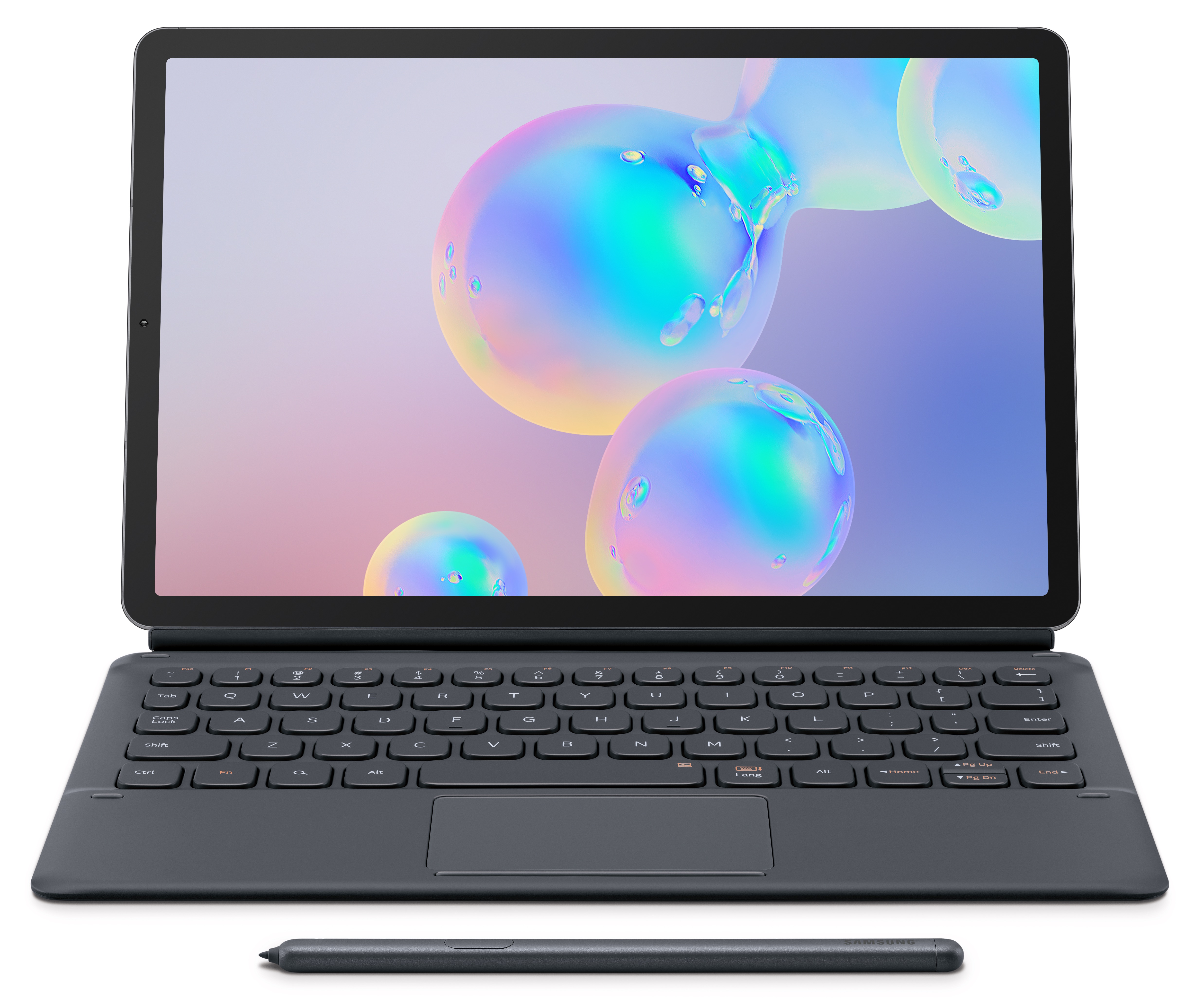
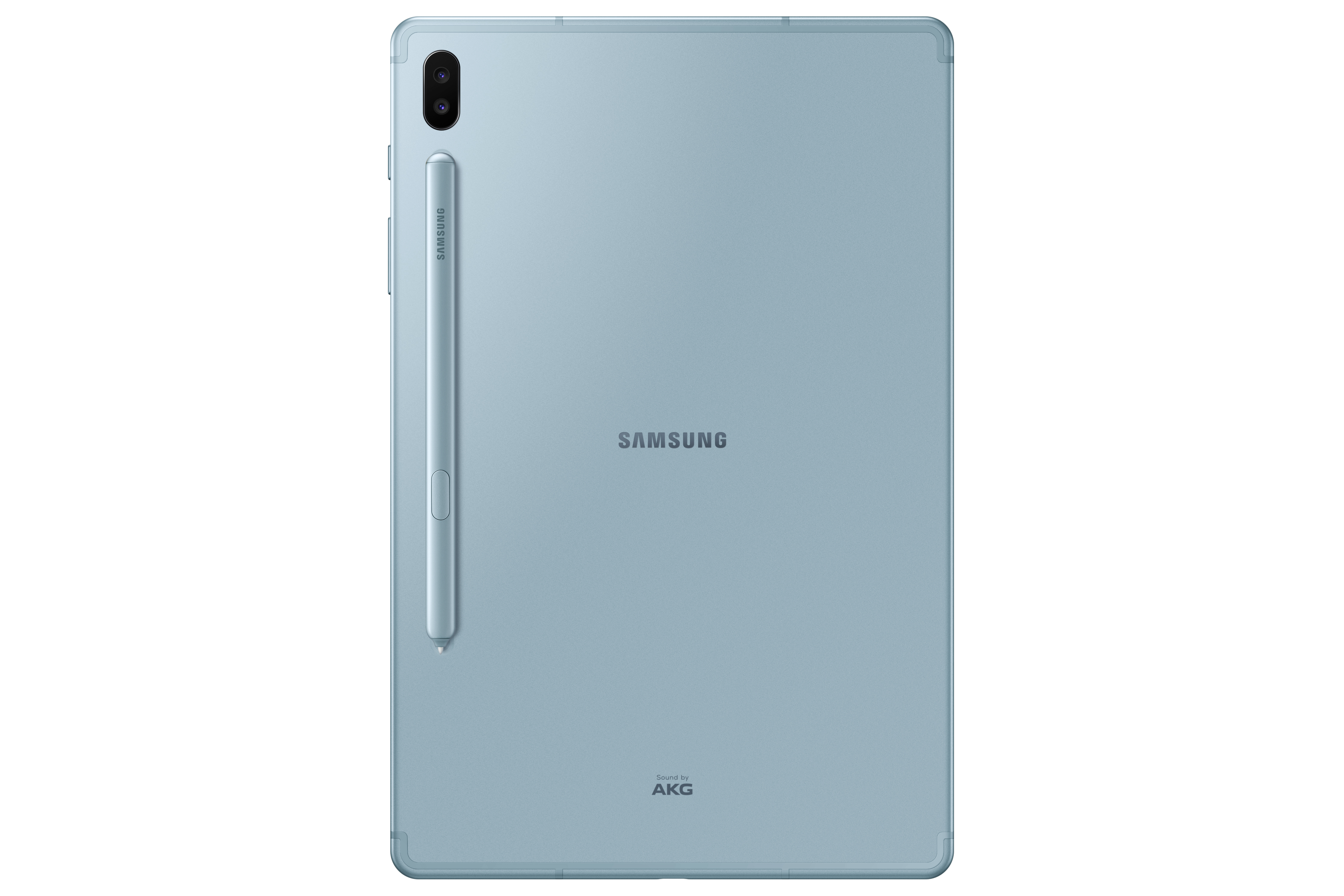
The S Pen comes standard — a nice touch, especially for the $649 price point. Mind you, that’s already a few hundred bucks cheaper than the entry level iPad Pro. The stylus charges wireless, attaching magnetically to the rear of the device, so you’re less likely to misplace it. And, more importantly, won’t accidentally break the whole thing by sticking it in backwards — truly the most humiliating of defeats.

The magnetic connection is pretty weak, compared to the iPad Pro’s sides. Though the new case has a clever concave slot for the S Pen, helping it stay in place while on. I also didn’t love the feel of the S4’s keyboard, so I’m happy to see what’s new there.

The S Pen does your standard array of stylus things, and as with the Note line, Samsung is working to make it more of a kitchen sink productivity accessory. That includes the ability to use it as a kind of bluetooth remote for advancing slide presentations and snapping videos and taking selfies. According to Samsung, people taking photos with tablets is very much a thing, and you might as well get used to it.

In fact, the rear camera actually gets an overhaul here. Samsung’s gone dual camera with a wide lens — noting that the S6 is its first tablet to offer that functionality. The wide angle lens offers a 123 degree angle — roughly the equivalent of what the human eye offers. As with other mobile devices from the company, AI is doing a lot of the heavy lifting to ensure you get better shots, offering scene optimization with the built-in Neural Processing Unit.

One thing the S6 offers that the iPad Pro (and for that matter, the iPhone) doesn’t is an on-screen fingerprint reader. It’s an optical scanner, however, instead of the ultrasonic offered on the Galaxy S10 (and, one assumes, the forthcoming Note 10). Samsung says the less advanced scanner was a matter of space issues — an odd concern, given the much larger real estate we’re dealing with here.

Product Image Galaxy Tab S6 4

Speaking of real estate, that’s a 10.5 inch Super AMOLED display and a fairly slim 5.7 millimeter body — thinner and lighter than the S4. The multimedia offering is filled out with a quartet of Dolby Atmos speakers tuned by Samsung’s own AKG.

Samsung continues to push DeX as a key part of its workflow. In fact, there’s now a DeX function key right on the case’s keyboard. DeX offers a more desktop like software experience on the table for improved multitasking. Now you can do stuff like opening multiple windows from the same app — bringing it more inline with what Apple is trying to do with iPadOS.

The company’s also partnered with Discord for an exclusive desktop Game Launcher — not doubt in a bid to offer something inline with Apple’s forthcoming Arcade. The Discord dealie is coming to Samsung tablets next month.

Preorders on the WiFi unit start August 23, starting at $649 for a unit with 6GB of RAM and 128GB of storage. Another $80 will get you a version with 8GB of RAM and double the storage. Early preorders will get the keyboard cover for half off when bundled with the tablet. There’s also an LTE model coming later this year.


from blogger-2 https://ift.tt/32YFk1f
via IFTTT

Vizio rolls out its Apple AirPlay and HomeKit integrations to its SmartCast TV platform

Ahead of Apple launching its big video streaming initiative Apple TV+ this autumn, a integration is going live today that brings Apple closer to working with third-party TV makers and making its services available on a wider array of devices. Today Vizio said it would start to roll out support for AirPlay2 and HomeKit to its SmartCast TV sets, making it possible to stream video and other media from Apple devices to its TVs and control the sets using Apple’s Home app and through its Siri voice assistant.

The support is coming by way of an over-the-air update to SmartCast 3.0, the system that underpins Vizio’s smart TVs. Notably, using the Apple services will not necessarily mean buying new Vizio TVs: the service is backwards compatible to TVs dating back to 2016. New sets range in prices from $259.99 to $3,499.99.

“SmartCast 3.0 is full of added value for VIZIO customers. With both AirPlay 2 and HomeKit support, users can now share movies, TV shows, music and more from their favorite apps, including the Apple TV app, directly to SmartCast TVs, and enable TV controls through the Home app and Siri,” said Bill Baxter, Chief Technology Officer, VIZIO. “We are thrilled to offer an even more compelling value proposition to our users with a smart TV experience that supports all three major voice assistants. This broad range of compatibility enables VIZIO SmartCast to seamlessly integrate into any household with Siri, Google Assistant or Alexa – giving users more ways to sit back and enjoy the entertainment they love.” Vizio still appears to be the only smart TV maker that’s offering support on its sets for all of the major voice assistants.

Vizio’s integration for Apple’s media services was first announced in January at CES, when Vizio said it would be getting actually rolled out later in the year.

The news was notable at the time for a couple of reasons. First, it underscored how Vizio was stepping up its growth efforts after a tough couple of years involving lawsuits, regulatory investigations and a failed M&A attempt.

Second, it was part of a bigger theme of Apple branching out into a wider consumer electronics ecosystem for its push into the world of TV and video. The latter still stands in stark contrast to Apple’s approach around smartphones, computers and watches, where it has spent years building hardware, operating systems and walled gardens.

That’s a story that is still playing out. The timing of the Vizio news is notable given that it’s just one day after Apple’s quarterly earnings report, where the company revealed a solid quarter that beat analyst expectations but also continued to show slowing growth, largely on the back of an ongoing decline in unit sales for the iPhone (amid a similar, bigger market trend for smarphones overall). To offset that story, Apple has been working hard to build new product categories in newer hardware areas like wearables (the Apple Watch) and smart home hubs (HomePod), and Services, which includes Apple’s efforts in areas like video and music (

Services came in at $11.455 billion — missing analysts expections but still growing 13% on a year ago. The promise — or perhaps more accurately, the hope — is that adding TV and gaming into the mix later in the year will boost that even more. This is where integrations such as the one getting announced today with Vizio will fit in: they will help expand the number of people who might be using the services, and of course the number of screens where the content can be consumed.

Vizio does not specify how many sets it currently has in the market — last number it gave me earlier in the year was “millions” — but it generally is behind Samsung, which currently leads in the smart TV category.

It notes that the service will work by way of tapping an AirPlay icon within SmartCast to be able to stream 4K and Dolby VisionTM HDR movies and TV shows from Apple TV, along with other AirPlay-compatible video apps. Mirroring (which you can also do with non-smart TVs) will also be supported. AirPlay 2 also lets users play content across multiple rooms (provided you have the sets, HomePods or other AirPlay 2 speakers installed).


from blogger-2 https://ift.tt/31a4ckz
via IFTTT

Samsung posts 55.6% drop in second-quarter profit as it copes with weak demand and a trade dispute

As it forecast earlier this month, Samsung reported a steep drop in its second-quarter earnings due to lower market demand for chips and smartphones. The company said its second-quarter operating profit fell 55.6% year-over-year to 6.6 trillion won (about $5.6 billion), on consolidated revenue of 56.13 trillion won, slightly above the guidance it issued three weeks ago.

Last quarter, Samsung also reported that its operating profit had dropped by more than half. The same issues that hit its earnings during the first quarter of this year have continued, including lower memory prices as major datacenter customers adjust their inventory, meaning they are currently buying less chips (the weak market also impacted competing semiconductor maker SK Hynix’s quarterly earnings).

Samsung reported that its chip business saw second-quarter operating profit drop 71% year-over-year to 3.4 trillion won, on consolidated revenue of 16.09 trillion won. In the second half of the year, the company expects to continue dealing with market uncertainty, but says demand for chips will increase “on strong seasonality and adoption of higher-density products.”

Meanwhile, Samsung’s mobile business reported a 42% drop in operating profit from a year ago to 1.56 trillion won, on 25.86 trillion won in consolidated revenue. The company said its smartphone shipments increased quarter-over-quarter thanks to strong sales of its budget Galaxy A series. But sales of flagship models fell, due to “weak sales momentum for the Galaxy S10 and stagnant demand for premium products.”

Samsung expects the mobile market to remain lackluster, but it will continue adding to both its flagship and mass-market lineups. It is expected to unveil the Note 10 next month and a new release date for the delayed Galaxy Fold, along with new A series models in the second half of the year.

“The company will promptly respond to the changing business environment, and step up efforts to secure profitability by enhancing efficiency across development, manufacturing and marketing operations,” Samsung said in its earnings release.

It’s not just market demand that’s impacting Samsung’s earnings. Along with other tech companies, Samsung is steeling itself for the long-term impact of a trade dispute between Japan and South Korea. Last month, Japan announced that it is placing export restrictions on some materials used in chips and smartphones. Samsung said it still has stores of those materials, but it is also looking for alternatives since it is unclear how long the dispute between the two countries may last (and it could last for a long time).


from blogger-2 https://ift.tt/2YwjqyX
via IFTTT